
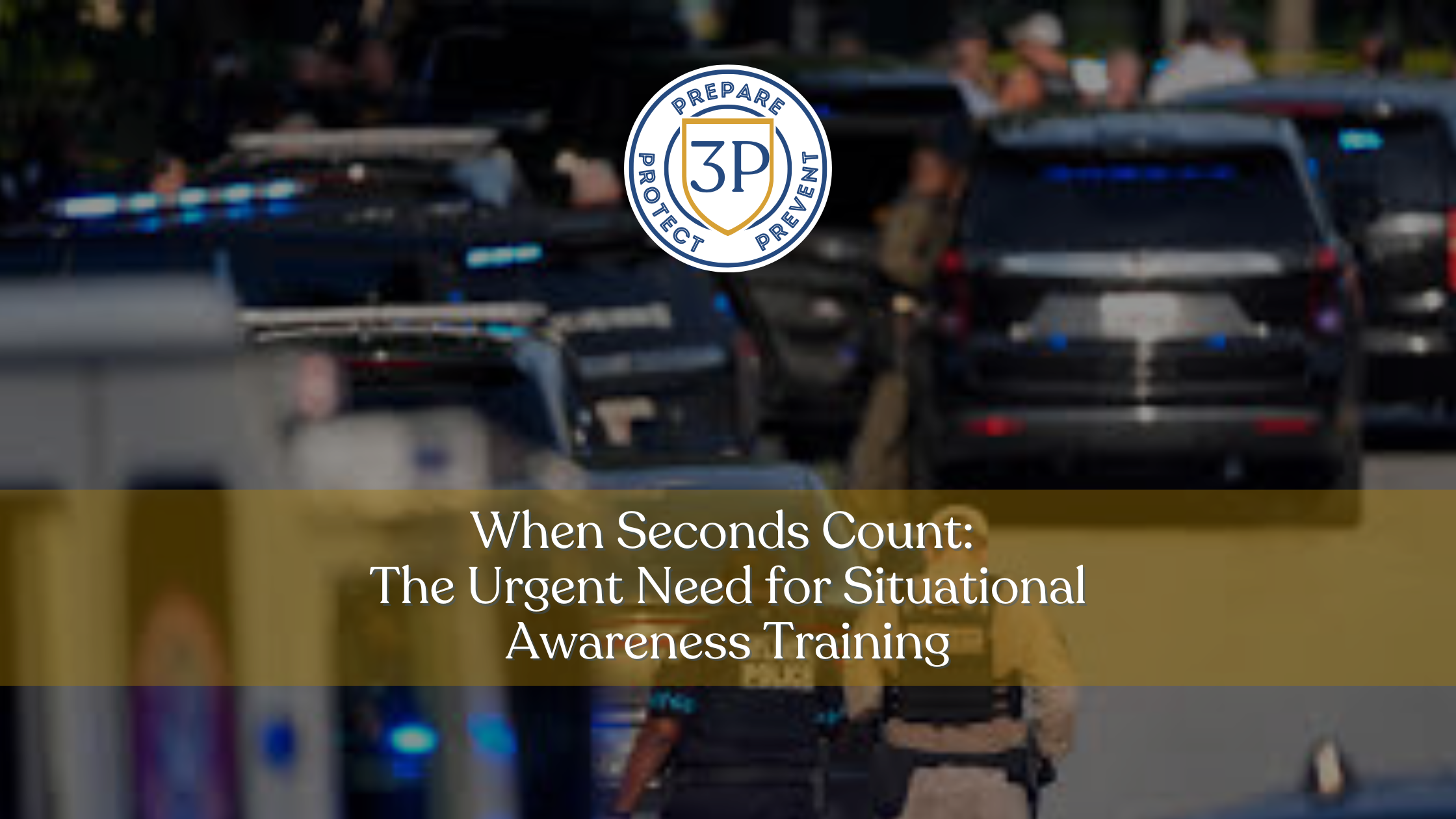
When Seconds Count: the Urgent Need for Situational Awareness Training
Learn how the Paratus 3P Process teaches life-saving habits to spot danger early and act fast — using the Emory University shooting as a wake-up call.
“You can’t choose when danger finds you, but you can choose how prepared you are to respond.”
A Tragic Reminder Close to Home
On August 8, 2025, an ordinary afternoon near Emory University and the CDC headquarters in Atlanta turned into chaos and tragedy. Around 4:50 p.m., a gunman opened fire, killing DeKalb County Officer David Rose, 33, in the line of duty.
The suspect was later found dead inside a nearby CVS. Several CDC buildings were struck by gunfire. Thankfully, no civilians were injured, but we know from countless other incidents across the country that the outcome could have been much worse.
The Emory University shooting is a powerful reminder that threats can arise without warning in places we typically consider safe: campuses, shopping centers, places of worship, public events, and even our neighborhoods.
The Problem: Most People Rely on Luck
When danger strikes, whether it’s an active shooter, sudden violence, or another emergency…the first few seconds are critical.
Yet most people:
Freeze or panic
Struggle to make quick, informed decisions
Fail to recognize early warning signs
This isn’t because they don’t care; it’s because they’ve never been trained to think and act under pressure.
Most safety protocols in schools, workplaces, and public spaces are reactive. They focus on what to do after a threat appears. While those steps are important, they often start too late. By the time you’re reacting, the situation may already be out of your control.
The Solution: Situational Awareness
Situational awareness is the ability to:
Pay attention to your surroundings
Identify potential threats early
Make smart decisions before and during danger
It’s not about living in fear. It’s about living with confidence, knowing you have the skills to protect yourself and those around you.
What The Paratus Group Does
The Paratus Group teaches situational awareness through our online, habit-based training program.
Our unique Paratus 3P Process empowers you to:
Prepare – Develop daily habits that keep you alert to changes in your environment.
Prevent – Spot trouble early enough to avoid it or de-escalate it.
Protect – Take quick, effective action when danger is unavoidable.
This training works because it focuses on mindsets and behaviors, the things most people don’t practice daily but that could save lives in a crisis.
How Our Program Works
90-Day Core Training: Learn the fundamentals of situational awareness, the 10 critical skills, and how to apply the 3P Process in real life.
Weekly Practice: Short, practical lessons you can complete on your phone or computer, designed to be used immediately in daily life.
9 Months of Continued Learning: Two pieces of weekly follow-up content to keep skills sharp and adapt to new threats.
Real-World Scenarios: Lessons based on actual events, like the Emory University shooting, so you know exactly how to apply what you’ve learned.
By the end of your first 90 days, you’ll think and act differently, noticing details others miss and making faster, better decisions under stress.
Why This Matters Now
If you had been near Emory University that afternoon, running errands, meeting friends, or simply walking by, would you have known what to do?
Would you have recognized the sound of gunfire?
Known where the safest exits were?
Understood how to use cover effectively?
Situational awareness training gives you those answers before you ever have to face them.
It’s not just about surviving a worst-case scenario; it’s about living safer, more confidently, and more in control every day.
Who We Serve
✅ Individuals & Families
✅ Businesses & Workplaces
✅ Schools, Churches, and Community Groups
✅ Runners & Outdoor Enthusiasts
How to Get Started
1️⃣ Visit https://www.paratus.group to learn more about who we are and our mission.
2️⃣ Enroll in the Paratus Take Back Responsibility Program
3️⃣ Start building life-saving habits in just minutes a day
Don’t wait for a headline to make safety your priority.
Learn the skills to prepare, prevent, and protect…anytime, anywhere.

Cooper’s color code: A simple way to stay aware every day.
Cooper’s Color Code is a simple system that helps you recognize and adjust your awareness in everyday situations. Learn how to apply it at home, at work, or on the go, and how it fits into the Paratus 3P Process for real-world readiness.
We’ve all had those moments…a gut feeling, a quick glance over the shoulder, a pause before stepping into an unfamiliar space.
That’s your awareness at work. But what if you could train that awareness intentionally? What if you had a simple way to understand what level of alertness you're operating in and how to adjust it as your environment changes?
That’s exactly what Colonel Jeff Cooper’s Color Code is designed to help with. Originally used in firearm safety and self-defense circles, the color code is much more than a tactical tool. It’s a mindset model—a simple, visual way to think about how present, prepared, or distracted you are in any situation. And yes, it’s just as applicable walking through a parking lot as it is in a high-risk environment.
Let’s break it down.
⚪️ Condition White: Unaware
This is your default mode when you’re relaxed, distracted, and not paying attention to your surroundings.
You might be:
Scrolling on your phone
Daydreaming
Zoned out in a familiar space
Wearing both earbuds while walking
In Condition White, you’re not mentally prepared to notice something unexpected, which makes it harder to respond if something does go wrong. There’s a time and place for White—but it shouldn’t be your default in public spaces.
🟡 Condition Yellow: Relaxed Alert
This is where we aim to live most of the time.
In Yellow, you’re calm and confident—but you’re also observing. You’re scanning your surroundings, casually noting what’s going on, and aware of any subtle shifts in energy or movement.
Examples:
Noticing who enters a coffee shop
Walking through a parking lot with your keys ready
Checking for exits when you enter a new room
You’re not anxious. You’re just engaged with your environment. This is the core of everyday situational awareness, and it’s where most prepared people stay by choice.
🟠 Condition Orange: Focused Attention
In Orange, something has caught your attention. It doesn’t mean there’s a threat—but something feels off enough that you’ve shifted focus. You’re starting to assess.
Examples:
Someone is following you too closely
A person’s behavior suddenly shifts
A sound or movement triggers your instincts
In Orange, your mind is asking: “If this becomes a problem… what will I do?” This is where mental rehearsal begins.
🔴 Condition Red: Ready to Act
Condition Red means your gut check from Orange just turned into a decision.
This is the moment you prepare to act—whether that’s walking away, calling for help, confronting a situation, or physically defending yourself as a last resort. This level isn’t just about intensity, it’s about decisiveness.
Most importantly: You don’t need to live in Red. You just need to know how to get there if needed and without panic.
Why It Matters in Real Life
This color code isn’t just for law enforcement or military professionals.
It’s for:
Runners
Parents
Teens walking home from school
Travelers at a rest stop
Anyone who wants to be more prepared in everyday life
At Paratus, we teach this model inside our Situational Awareness Course because it gives people a simple, empowering way to check in with their mindset at any moment. And once you learn to operate in Yellow by default, you'll be amazed how quickly you start noticing things you used to overlook.
Here's How to Use It This Week:
✅ Practice checking your level when you walk into a new space
✅ Make Yellow your new default (calm, relaxed alertness)
✅ Teach your kids or loved ones the concept using age-appropriate language
✅ Journal one moment this week where you shifted levels, what triggered it? How did you respond?
Want to go deeper?
Our Situational Awareness Course at Paratus doesn’t just teach you what to watch for—it teaches you how to observe, decide, and act with purpose. The Cooper Color Code is just one part of the Paratus 3P Process—Prepare. Prevent. Protect. Whether you’re walking to your car or leading a team, the way you think under pressure matters.
Start training that mindset today.
🔗 Learn more and Enroll Here
Readiness is a mindset…
Being prepared isn’t about stockpiling supplies—it’s about how you think under pressure. This blog breaks down 5 questions that reveal if your mindset is ready for the unexpected. Learn the habits that set prepared people apart.
5 Questions That Reveal If You’re Really Prepared
Being prepared doesn’t mean having a bunker in your backyard with 5 years’ worth of freeze-dried food.
It means having the ability to stay calm under pressure.
To make a clear decision when everything around you gets loud.
To move, when others freeze.
Readiness is a mindset. And like any mindset, it’s not something you’re born with. It’s built. Practiced. Sharpened.
If you’re not sure where you stand, here are 5 simple but powerful questions that reveal whether you’re mentally ready for the unexpected:
1. Do I freeze when something unexpected happens—or do I move?
This is the foundation.
When your brain gets overwhelmed, it defaults to what’s been rehearsed. If you haven’t trained to respond under pressure, you’ll stall.
It doesn’t mean you’re weak—it means your mind was unprepared for that moment.
The solution? Start small. Rehearse “what-if” moments daily. Build your library of responses so your body has something to fall back on when time runs out.
2. When I enter a space, do I scan…or settle in?
Readiness begins before anything goes wrong.
Do you look for exits? Do you notice who’s coming and going? Or do you sit down, pull out your phone, and let the world blur around you?
This isn’t paranoia. It’s awareness. And it’s one of the most overlooked but important habits of prepared people.
3. Do I rely on others to react, or do I take ownership of my safety?
We’ve been conditioned to expect someone else to respond: a teacher, a manager, a police officer, or a spouse.
But what if they’re not there? What if they’re frozen too?
Preparedness means taking personal responsibility, not just for your own safety, but for those around you.
4. Am I making small decisions every day that build my readiness, or relying on big, theoretical plans?
Big plans look great on paper. But real readiness is built in the details…everyday decisions like:
Parking under a streetlight
Running without both earbuds in
Charging your phone before leaving home
Trusting your gut, not overriding it
You don’t need to change everything. Just start paying attention to the things you do automatically and upgrade your habits one decision at a time.
5. Do I have a process, or do I hope I’ll figure it out in the moment?
Hope is not a strategy.
The Paratus 3P Process—Prepare, Prevent, Protect—exists for this exact reason.
It gives you a mental framework to fall back on when everything else falls apart.
It’s not about having the perfect answer. It’s about having a repeatable process that keeps your brain moving forward when others panic.
You Don’t Need to Be Perfect… You Just Need to Start.
Readiness isn’t about knowing everything.
It’s about thinking ahead, noticing more, and being the one who moves when others stall.
If you're ready to train your mind, not just your gear list, start with the Take Back Responsibility Program.
Learn the Paratus 3P Process. Practice your awareness. Build a mindset that works in real life.
#ReadinessMindset #Paratus3P #TakeBackResponsibility #PreparedNotScared #EverydayPreparedness #SituationalAwareness #SelfRescue #MentalPreparedness
custom training for real-world threats
Discover how Paratus Group partners with businesses to create customized situational awareness and safety training that goes beyond generic, one-size-fits-all programs. Learn how our tailored courses are designed to address real-world threats specific to your industry — from healthcare and education to logistics and ministry. Whether you're looking for continuing education credits, team-wide culture change, or proactive threat prevention, Paratus uses its proven 3P Process (Prepare, Prevent, Protect) to help organizations train smarter and build safer, more empowered teams.
In today’s world, every workplace faces unique threats—from cybersecurity risks to on-site emergencies to social unrest.
Yet, most safety training is stuck in the past: generic, checkbox-driven, and quickly forgotten.
At Paratus, we do things differently.
We partner directly with businesses, schools, and organizations to build custom training experiences designed for the real risks your teams face. Whether you need continuing education, onboarding modules, or live scenario-based drills, we tailor every lesson to your industry, culture, and team.
💡 What Makes Paratus Different?
1. Industry-Specific Risk Focus
We don’t hand you a one-size-fits-all slide deck. We start by identifying the actual risks in your industry—whether it’s frontline customer interactions, logistics, healthcare security, or public-facing education environments.
2. Your People, Your Language
We adapt the content to reflect your workflow, roles, and people. From foremen to receptionists, we train your team in terms they understand and scenarios they recognize.
3. The 3P Process: Prepare. Prevent. Protect.
Our proven Paratus 3P Process builds habits and decision-making tools your team can use every day, not just during an annual safety week. We use micro-learning, real-world drills, and a drip content strategy that reinforces a proactive mindset.
4. CE + ROI
Looking for certified training? We build in continuing education credits and track completions.
Want impact? We provide reporting tools and follow-up strategies to show results and retention.
🚀 Want to Work With Us?
We’re currently building courses for:
Manufacturing & industrial teams
Healthcare offices
Private schools and universities
Churches and ministry teams
Public service and nonprofit teams
Let’s talk about what your people actually need—and how we can build it together.
📩 Contact us at contact@paratus.group or visit www.paratus.group to schedule a consultation.
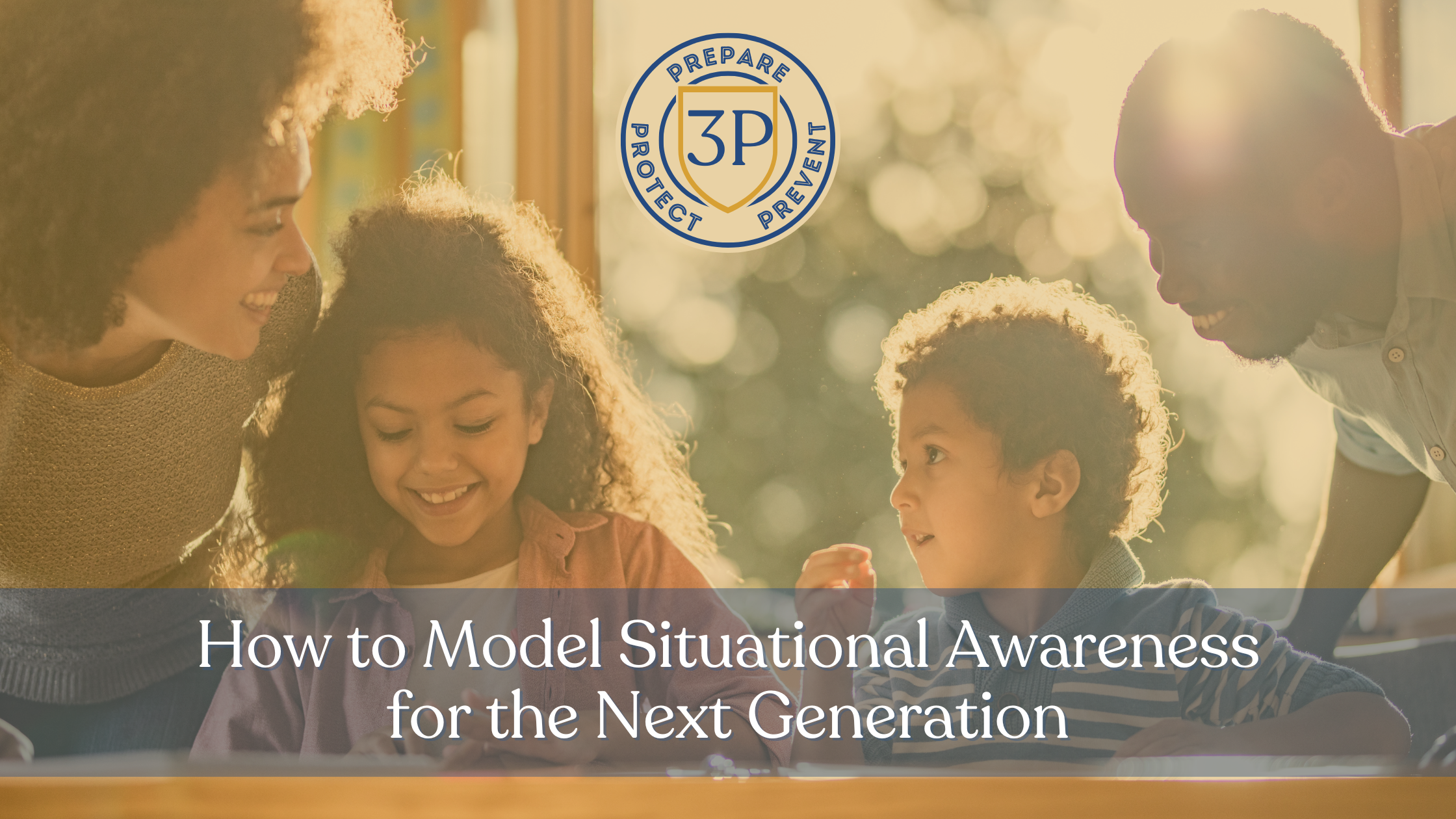
How to Model Situational Awareness for the next generation
Learn five practical ways to model situational awareness for children using the Paratus 3P Process. This blog outlines how parents and mentors can lead by example to build safer, more resilient families and communities.
Children don’t learn situational awareness through lectures. They learn it by watching us. As parents, grandparents, and mentors, our everyday behaviors set the tone for how the next generation will respond to the world around them.
The Paratus 3P Process—Prepare, Prevent, Protect—isn’t just a personal safety strategy. It’s a way to lead by example and build long-term habits that shape resilient, aware individuals.
Here are five practical ways to model situational awareness in your daily life:
1. Be Present and Aware
Put the phone away when you're out with your kids. Stay alert and point out what you see: a distracted pedestrian, an unfamiliar vehicle, or an open exit. This teaches children to scan their surroundings and remain engaged.
2. Demonstrate Calm Under Pressure
Life doesn’t always go as planned. When stress hits, take a breath and handle it with composure. Say things like, “Let’s pause and figure this out.” Staying calm teaches kids how to manage uncertainty without panic.
3. Practice Active Listening and De-escalation
Handle conflict with respect. Lower your voice, listen carefully, and respond with empathy. Instead of telling your kids to calm down, show them what emotional control looks like. They’ll learn how to respond rather than react.
4. Involve Kids in Safety Routines
Give children small responsibilities—like identifying exits, staying aware in parking lots, or helping with younger siblings. These tasks promote shared responsibility and reinforce the habits taught through the 3P Process.
5. Promote Respect and Community Awareness
Be kind, helpful, and considerate. Hold doors, acknowledge strangers, and offer help when needed—and explain why it matters. This encourages children to think beyond themselves and contributes to a culture of safety and mutual respect.
Final Thought
What you do matters more than what you say. Modeling situational awareness builds strong, capable individuals who can navigate life with confidence and resilience.
Already enrolled in the Paratus training? Keep applying what you’ve learned, and use these strategies to extend the impact to your family and community.
Not enrolled yet? Join us at www.paratus.group
Start your journey to becoming the leader and role model your family deserves.
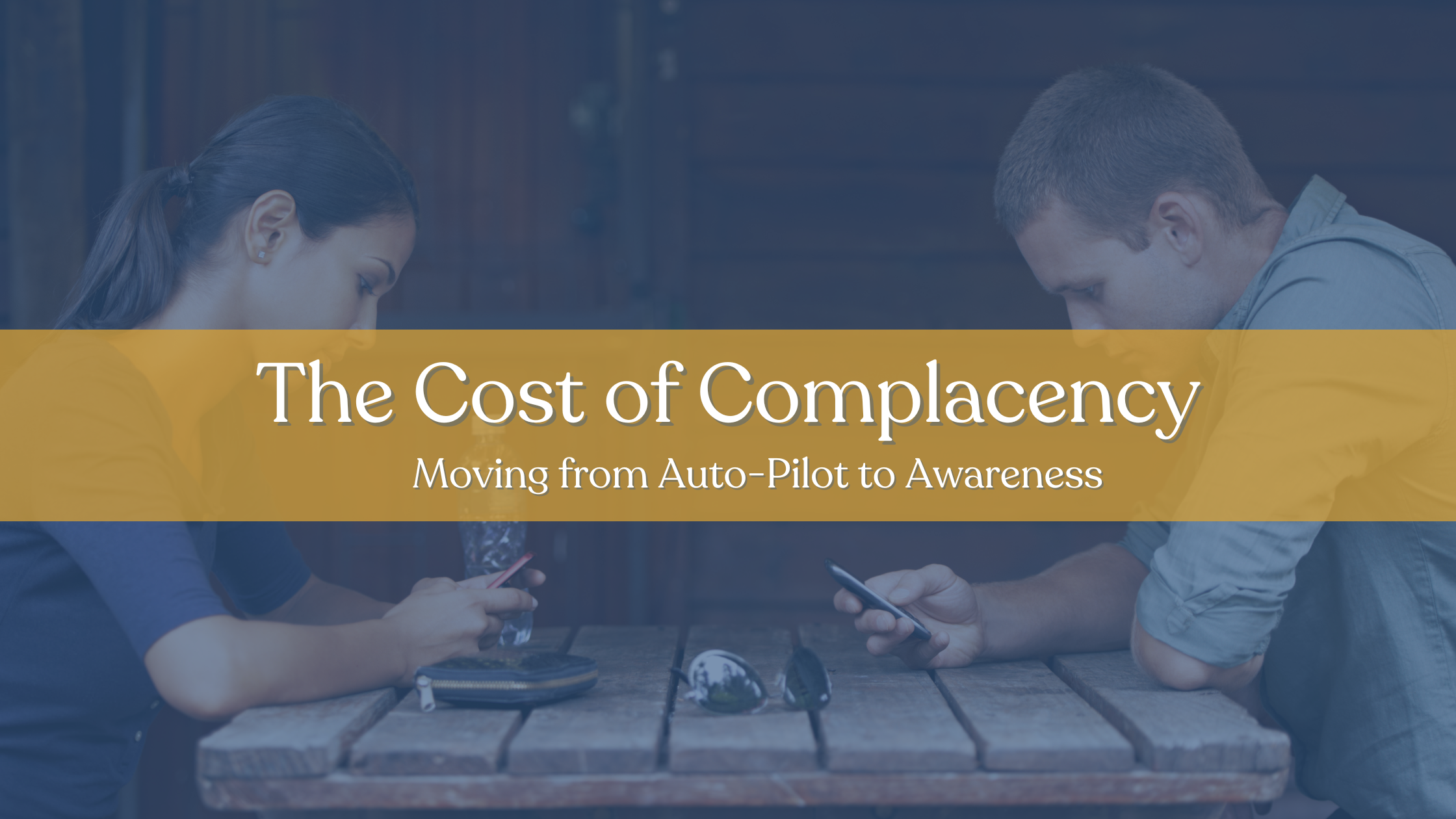
The Cost of Complacency: Moving from Auto-Pilot to awareness
Complacency is one of the biggest threats to personal safety. In this empowering blog, we explore how small mindset shifts and daily awareness can replace routine with readiness. Learn how the Paratus 3P Process helps individuals and families break free from "it won’t happen to me" thinking and build lasting habits for real-world preparedness.
Most of us like to think we’re safe. We stick to our routines, live in decent neighborhoods, and trust that if something bad hasn’t happened yet, it probably won’t. It’s an easy mindset to fall into—especially when life feels busy and predictable. But here’s the thing: safety isn’t about where you live or how lucky you’ve been so far. It’s about being aware and prepared before something happens, not after. And once you see that clearly, it’s hard to unsee it.
The Comfort of “It Won’t Happen to Me”
We all say it in different ways:
“Our town’s quiet.”
“Nothing ever really happens around here.”
“I’ve been doing this for years and never had a problem.”
That kind of thinking isn’t wrong—it’s just risky. It leans on hope instead of preparation. And in today’s world, choosing to stay unaware is a bigger gamble than it used to be.
When “Everyday” Doesn’t Go As Planned
You’ve probably read headlines like these, or maybe even lived them:
A woman leaves the grocery store and heads to her car. It’s broad daylight. She’s been here dozens of times. But this time, someone’s watching her. They wait for the moment she’s distracted—keys out, head down—and approach.
A school leaves a side door propped open for a delivery. A stranger walks in unnoticed. No one is hurt, thankfully. But it shakes everyone.
A mom runs into the gas station for a quick second and leaves her car running with her toddler inside. It’s something she’s done before. But this time, someone jumps in the car and drives away.
In all of these moments, the people involved didn’t feel unsafe. Until they were.
Not because they were careless. But because they were comfortable. Because they assumed everything was fine—like it always had been.
What Choosing Awareness Actually Looks Like
Choosing to be more aware doesn’t mean living in fear. It doesn’t mean you need to scan every corner like you’re in a spy movie. It means paying attention. It means noticing when something feels “off” and trusting that instinct.
That’s where the Paratus 3P Process comes in: Prepare. Prevent. Protect.
It’s a framework that helps you shift out of autopilot and into intentional living. Through small, daily habits, it helps you stay alert without becoming anxious. It gives you tools to teach your kids how to recognize safe exits, trust their gut, and respond with confidence.
This is the work that turns "What if something happens?" into "I know what to do if it does."
You Don’t Have to Be Perfect—Just Present
Everyone has moments when they tune out or let their guard down. That’s normal. The goal isn’t perfection. The goal is presence. It’s taking back the parts of your life that you’ve handed over to routine.
You already care about your safety. You already care about your family’s well-being. This is just about learning how to put that care into action in a way that makes a real difference.
If You’re Ready to Take a Step Forward
We created the Take Back Responsibility Program for people who want to lead themselves and others with awareness and confidence. It’s not about fear. It’s about freedom—the freedom that comes from knowing you’re prepared.
This isn’t about waiting for something bad to happen. It’s about making the decision today to live differently—more intentionally, more alert, and more empowered.