
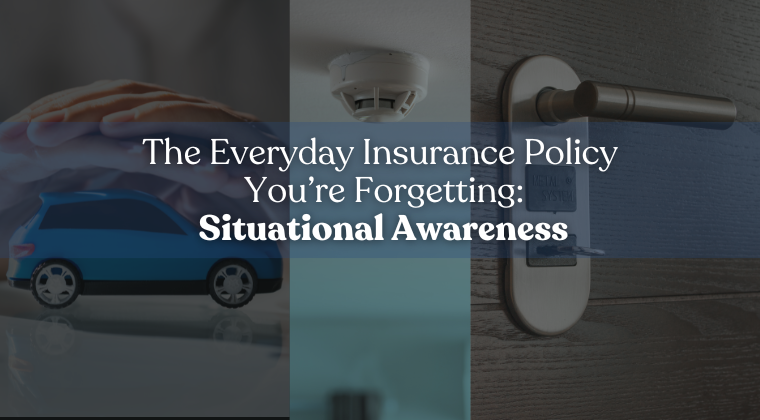
The Everyday Insurance Policy You’re Forgetting: Situational Awareness
Unlike car or home insurance, situational awareness prevents danger BEFORE it happens. Learn how Paratus helps keep you and your family safe every day.
We don’t think twice about buying insurance.
We pay for car insurance, health insurance, and home insurance because we know life is unpredictable.
But here’s the truth:
🚗 Car insurance doesn’t stop a crash.
🔥 Home insurance doesn’t prevent a fire.
⚕️ Health insurance doesn’t keep you from getting sick.
Insurance reacts after something has already gone wrong.
What if you could protect yourself and your family before the worst happens?
That’s exactly what situational awareness training does.
Insurance Reacts. Awareness Prevents.
Insurance is essential, but it only helps you after the damage is done.
Situational awareness is proactive. It’s the skill of noticing danger early, making smart decisions, and acting before chaos unfolds.
Instead of picking up the pieces after tragedy, you can avoid being caught in it altogether.
The Seatbelt and Smoke Detector Mindset
Think about it:
You buckle your seatbelt every time you drive, not because you expect to crash, but because you know it could happen.
You install smoke detectors, even if your house has never caught fire.
Situational awareness works the same way. It’s a safety habit you carry with you:
✔️ At the grocery store
✔️ In a parking lot
✔️ At work
✔️ On your morning run
Most of the time, your day will be completely normal. But if something goes wrong, your awareness could make all the difference.
Why Your Family Needs It Most
If you’re a parent, you know the worry that comes when your kids walk out the door. You’re not there to shield them from the world.
Teens face peer pressure and unsafe gatherings.
College students navigate campuses where theft, harassment, and even violence can occur.
Spouses and loved ones face daily risks, from late-night commutes to busy public events.
Situational awareness isn’t about living in fear. It’s about confidence: allowing your family to spot risks, trust their instincts, and act fast when something doesn’t feel right.
It’s not paranoia. It’s protection.
The Paratus Difference
Here’s where we come in.
The Paratus Take Back Responsibility program isn’t a one-time workshop or lecture you’ll forget by next week. It’s an online course that works like an awareness gym: short, practical lessons you can fit into your everyday life.
Prepare: Build daily habits that keep you alert and aware.
Prevent: Recognize subtle risks before they turn into real danger.
Protect: Respond quickly and confidently when a threat can’t be avoided.
Just like exercise builds muscle, Paratus training builds instinct. Over time, it becomes second nature.
The Bottom Line
You’d never drive without insurance.
You’d never leave your home unprotected from fire.
So why go through life without protecting what’s most valuable, your safety and your family’s safety?
Situational awareness is the one “insurance policy” you don’t just pay for and hope you never use. It’s the one you practice every day and that protects you every time you step out the door.
💡 Don’t wait until a headline or emergency makes you wish you had started sooner.
Learn how to Prepare, Prevent, and Protect with Paratus today: https://www.paratus.group/takebackresponsibility
When Seconds Count: the Urgent Need for Situational Awareness Training
Learn how the Paratus 3P Process teaches life-saving habits to spot danger early and act fast — using the Emory University shooting as a wake-up call.
“You can’t choose when danger finds you, but you can choose how prepared you are to respond.”
A Tragic Reminder Close to Home
On August 8, 2025, an ordinary afternoon near Emory University and the CDC headquarters in Atlanta turned into chaos and tragedy. Around 4:50 p.m., a gunman opened fire, killing DeKalb County Officer David Rose, 33, in the line of duty.
The suspect was later found dead inside a nearby CVS. Several CDC buildings were struck by gunfire. Thankfully, no civilians were injured, but we know from countless other incidents across the country that the outcome could have been much worse.
The Emory University shooting is a powerful reminder that threats can arise without warning in places we typically consider safe: campuses, shopping centers, places of worship, public events, and even our neighborhoods.
The Problem: Most People Rely on Luck
When danger strikes, whether it’s an active shooter, sudden violence, or another emergency…the first few seconds are critical.
Yet most people:
Freeze or panic
Struggle to make quick, informed decisions
Fail to recognize early warning signs
This isn’t because they don’t care; it’s because they’ve never been trained to think and act under pressure.
Most safety protocols in schools, workplaces, and public spaces are reactive. They focus on what to do after a threat appears. While those steps are important, they often start too late. By the time you’re reacting, the situation may already be out of your control.
The Solution: Situational Awareness
Situational awareness is the ability to:
Pay attention to your surroundings
Identify potential threats early
Make smart decisions before and during danger
It’s not about living in fear. It’s about living with confidence, knowing you have the skills to protect yourself and those around you.
What The Paratus Group Does
The Paratus Group teaches situational awareness through our online, habit-based training program.
Our unique Paratus 3P Process empowers you to:
Prepare – Develop daily habits that keep you alert to changes in your environment.
Prevent – Spot trouble early enough to avoid it or de-escalate it.
Protect – Take quick, effective action when danger is unavoidable.
This training works because it focuses on mindsets and behaviors, the things most people don’t practice daily but that could save lives in a crisis.
How Our Program Works
90-Day Core Training: Learn the fundamentals of situational awareness, the 10 critical skills, and how to apply the 3P Process in real life.
Weekly Practice: Short, practical lessons you can complete on your phone or computer, designed to be used immediately in daily life.
9 Months of Continued Learning: Two pieces of weekly follow-up content to keep skills sharp and adapt to new threats.
Real-World Scenarios: Lessons based on actual events, like the Emory University shooting, so you know exactly how to apply what you’ve learned.
By the end of your first 90 days, you’ll think and act differently, noticing details others miss and making faster, better decisions under stress.
Why This Matters Now
If you had been near Emory University that afternoon, running errands, meeting friends, or simply walking by, would you have known what to do?
Would you have recognized the sound of gunfire?
Known where the safest exits were?
Understood how to use cover effectively?
Situational awareness training gives you those answers before you ever have to face them.
It’s not just about surviving a worst-case scenario; it’s about living safer, more confidently, and more in control every day.
Who We Serve
✅ Individuals & Families
✅ Businesses & Workplaces
✅ Schools, Churches, and Community Groups
✅ Runners & Outdoor Enthusiasts
How to Get Started
1️⃣ Visit https://www.paratus.group to learn more about who we are and our mission.
2️⃣ Enroll in the Paratus Take Back Responsibility Program
3️⃣ Start building life-saving habits in just minutes a day
Don’t wait for a headline to make safety your priority.
Learn the skills to prepare, prevent, and protect…anytime, anywhere.
Readiness is a mindset…
Being prepared isn’t about stockpiling supplies—it’s about how you think under pressure. This blog breaks down 5 questions that reveal if your mindset is ready for the unexpected. Learn the habits that set prepared people apart.
5 Questions That Reveal If You’re Really Prepared
Being prepared doesn’t mean having a bunker in your backyard with 5 years’ worth of freeze-dried food.
It means having the ability to stay calm under pressure.
To make a clear decision when everything around you gets loud.
To move, when others freeze.
Readiness is a mindset. And like any mindset, it’s not something you’re born with. It’s built. Practiced. Sharpened.
If you’re not sure where you stand, here are 5 simple but powerful questions that reveal whether you’re mentally ready for the unexpected:
1. Do I freeze when something unexpected happens—or do I move?
This is the foundation.
When your brain gets overwhelmed, it defaults to what’s been rehearsed. If you haven’t trained to respond under pressure, you’ll stall.
It doesn’t mean you’re weak—it means your mind was unprepared for that moment.
The solution? Start small. Rehearse “what-if” moments daily. Build your library of responses so your body has something to fall back on when time runs out.
2. When I enter a space, do I scan…or settle in?
Readiness begins before anything goes wrong.
Do you look for exits? Do you notice who’s coming and going? Or do you sit down, pull out your phone, and let the world blur around you?
This isn’t paranoia. It’s awareness. And it’s one of the most overlooked but important habits of prepared people.
3. Do I rely on others to react, or do I take ownership of my safety?
We’ve been conditioned to expect someone else to respond: a teacher, a manager, a police officer, or a spouse.
But what if they’re not there? What if they’re frozen too?
Preparedness means taking personal responsibility, not just for your own safety, but for those around you.
4. Am I making small decisions every day that build my readiness, or relying on big, theoretical plans?
Big plans look great on paper. But real readiness is built in the details…everyday decisions like:
Parking under a streetlight
Running without both earbuds in
Charging your phone before leaving home
Trusting your gut, not overriding it
You don’t need to change everything. Just start paying attention to the things you do automatically and upgrade your habits one decision at a time.
5. Do I have a process, or do I hope I’ll figure it out in the moment?
Hope is not a strategy.
The Paratus 3P Process—Prepare, Prevent, Protect—exists for this exact reason.
It gives you a mental framework to fall back on when everything else falls apart.
It’s not about having the perfect answer. It’s about having a repeatable process that keeps your brain moving forward when others panic.
You Don’t Need to Be Perfect… You Just Need to Start.
Readiness isn’t about knowing everything.
It’s about thinking ahead, noticing more, and being the one who moves when others stall.
If you're ready to train your mind, not just your gear list, start with the Take Back Responsibility Program.
Learn the Paratus 3P Process. Practice your awareness. Build a mindset that works in real life.
#ReadinessMindset #Paratus3P #TakeBackResponsibility #PreparedNotScared #EverydayPreparedness #SituationalAwareness #SelfRescue #MentalPreparedness
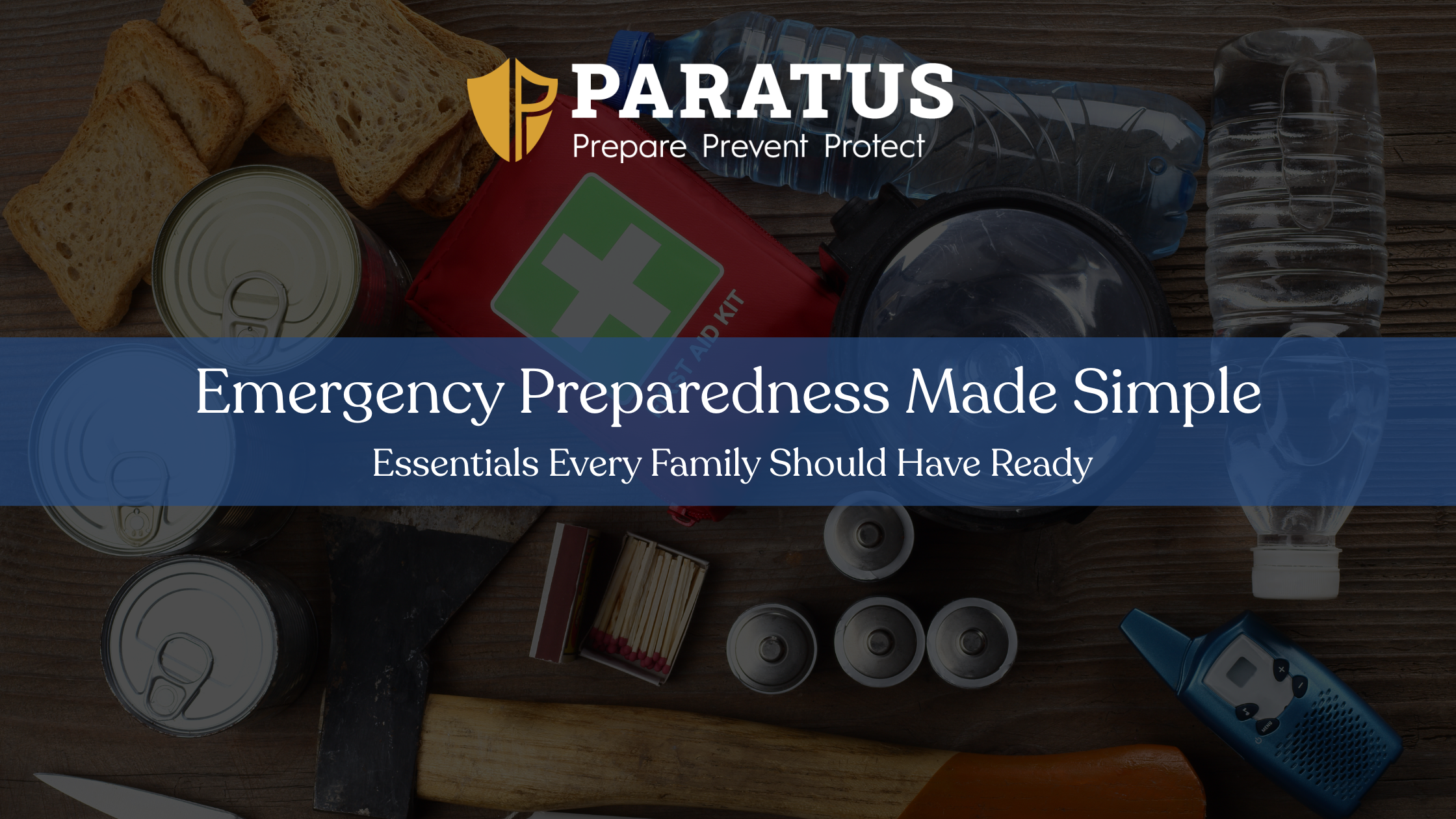
Prepared, Not Panicked: Simple Steps Every Family Can Take Today
Learn the simple steps every family can take to stay prepared for unexpected emergencies. Build confidence with food, water, first aid, power backup, and a clear plan.
Recent headlines have once again reminded us that global tensions can shift quickly. With U.S. bombers deployed overseas and talk of heightened threats, many Americans are asking a simple but essential question:
“If something happens close to home… am I prepared?”
While some will say the chances are low, the reality is: We live in a different world today.
The threat from sleeper cells, proxy actors, and foreign adversaries is real and growing.
Attacks could mirror events like October 7th in Israel or target power grids, financial systems, water supplies, or communication infrastructure.
Cyberattacks alone could shut down electricity, and with that, your ability to communicate, bank, travel, and even access clean water.
This isn’t fearmongering.
It’s reality.
And while we may hope that FEMA or federal, state, or local governments can help, history tells us their response will be limited, delayed, or unavailable entirely. You need to be ready to take care of yourself, your family, and your neighbors.
The good news? Preparedness doesn’t have to be complicated.
You don’t need a bunker. You don’t need to become a survivalist.
You need a plan, a few essential supplies, and the confidence that comes from readiness.
tHE FIRST ESSENTIALS: fOOD AND WATER
If services are disrupted, grocery stores won’t restock overnight. Start with:
At least 7 days of non-perishable food that your family will actually eat.
(canned goods, protein bars, peanut butter, pasta, shelf-stable milk, etc.)3 to 5 gallons of water per person, per day (for drinking, cooking, and sanitation).
Baby formula, pet food, or any specialty items your household needs.
This isn’t hoarding. It’s just smart, rotating inventory.
Cooking Sources
Don’t forget, if the power goes out, your ability to cook may be limited.
Make sure you have:
A small propane camp stove or portable gas cooker with extra fuel.
A backup cooking option such as a small charcoal or wood-burning stove or grill.
A reliable fire starter (waterproof matches, lighters, or ferro rods.
Even simple meals require heat. Having multiple safe ways to boil water or cook food adds flexibility and peace of mind.
Light and Power: Staying Functional in the Dark
Power outages are often the first domino to fall. Be ready with:
Battery-powered or hand-crank flashlights (avoid candles).
Solar-powered chargers.
Portable phone chargers and power banks.
Spare batteries.
Solar-powered lanterns.
First aid: Ready for both minor and serious injuries
A basic first aid kit isn’t enough. Every household should have a Tactical IFAK (Individual First Aid Kit) with:
Tourniquet, chest seals, wound packing materials, hemostatic gauze, nasal airway (NPA), pressure bandages.
Antiseptics, gloves, tweezers, over-the-counter medications, and pain relievers.
Extra prescription medications.
Basic training on how to use every component in your kit (take a tactical first aid and CPR course).
Important Documents and Cash
Keep these items accessible:
Printed copies of IDs, insurance policies, medical records, and emergency contacts.
Reasonable amount of cash (ATMs may not work during grid failures).
Backup written contact lists in case phones or devices fail.
If things truly break down, cash may lose value. Food, fuel, water, and skills will matter most.
Communication and Planning
Have a plan ready if communication systems fail:
A family meeting location if cell networks go down.
An emergency contact outside your immediate area.
A weather radio or emergency alert system.
Backup communication devices that don’t rely on cellular networks.
Mindset: Think Beyond Supplies
Preparedness isn’t just about what you have. It’s about how you think.
Are you ready to defend your home, your family, and your resources if necessary?
Are you thinking through scenarios where unprepared neighbors or strangers might seek your supplies?
Will you help others who need it? Will you be ready to lead?
This is why preparing with your neighbors and community is just as important as preparing your own home.
You cannot afford to prepare in isolation.
Preparedness isn’t about fear. It’s about giving yourself margin—a buffer between you and panic. When you’ve handled the basics, you’re calmer under pressure. You make better decisions. You don’t freeze when others panic. Situational awareness starts long before the crisis. The Paratus 3P Process helps you build the habits, skills, and mindset to recognize threats early and act decisively—whether the risk is global, local, or right at your front door.
The world may feel unstable. Your preparedness doesn’t have to be.
Start small. Start simple. But start now.
Because hoping someone else will save you isn’t a plan.
Learn more about building your family’s preparedness mindset with the Paratus 3P Process.
Click Here To Learn More
What Would You Do If a Peaceful Place Turned Dangerous?
Learn how situational awareness can keep you safe during unexpected moments of civil unrest, protests, or flash mobs. This post explores real-world tips for recognizing danger early, making smart decisions under pressure, and using the Paratus 3P Process to stay ahead of chaos before it starts.
You’re walking through a familiar part of town. Maybe you're running errands, grabbing coffee, or just heading home. Everything feels normal — until it doesn’t.
A crowd starts to form. Voices get louder. Tension builds.
And just like that, what felt like an ordinary day turns into something else entirely.
We’ve seen it happen — protests that shift in energy, flash mobs that spiral, or riots that break out without warning.
It’s fast. It’s overwhelming. And most people? They freeze.
Here’s the part no one likes to talk about:
You don’t have to be involved to be at risk.
You also don’t need to be part of a cause or even know what’s going on.
You may just be nearby, in the wrong place at the wrong time… and unprepared.
So what can you do?
This is where situational awareness makes all the difference.
It’s not just about noticing when something’s “off.” It’s about having a plan before the danger becomes obvious.
Ask yourself:
Would I notice the signs early?
Would I know where to go?
Would I leave before things escalated — or wait and hope it blows over?
That split-second decision could be everything.
Awareness isn’t fear — it’s control.
You don’t need to live your life looking over your shoulder.
But you do need to understand how quickly things can change — and how to act with clarity when they do.
At Paratus, we train people to stay ahead of the chaos, not react to it.
Through our 3P Process — Prepare, Prevent, Protect — we teach everyday skills that help you make smart decisions under pressure.
Because safety doesn’t start when something goes wrong.
It starts with how you think before it does.
Take back responsibility.
You don’t need to be a first responder to be ready.
You just need the mindset to respond first.
Want to learn how to build that kind of awareness?
Start today: https://mailchi.mp/paratus/take-back-responsibility

Situational awareness for runners: Take back the run
Learn how to run with confidence, not fear. The Take Back the Run course by RunningMate x Paratus teaches situational awareness strategies specifically for runners. Discover how to recognize threats, trust your instincts, and stay safe on every run.
For many runners, hitting the pavement is more than just exercise—it’s freedom, stress relief, and time to think. But in today’s world, it’s also important to recognize the risks that come with it. Whether you're running solo at dawn, through neighborhoods, trails, or busy streets, your safety depends on more than just pace and endurance—it depends on situational awareness.
That’s why we created Take Back the Run, a collaborative safety course from RunningMate x Paratus Group—designed specifically for runners like you.
Why Situational Awareness Matters When You Run
It’s easy to get into a rhythm—literally. But the same routine that brings comfort can also make you vulnerable if you're not alert to your surroundings. And unfortunately, news stories of harassment, abductions, or attacks while running aren’t rare.
Situational awareness gives you the ability to:
Recognize potential threats early
Trust your gut and make quick, confident decisions
Prevent dangerous situations before they escalate
Stay one step ahead—mentally and physically
It’s not about fear. It’s about freedom with confidence.
Common Risk Factors for Runners
In our course, we break down the specific risks runners face:
Running with headphones or zoning out
Taking the same route or routine daily
Isolated trails or dark early-morning paths
Ignoring subtle red flags like parked vehicles, lingering individuals, or blocked sightlines
Being unprepared for verbal harassment or confrontation
These situations can escalate quickly—but when you’re trained to notice and respond, you gain control of the outcome.
What You’ll Learn in Take Back the Run
This course is not your typical safety lecture. It’s practical, relatable, and built for the real-world challenges runners face every day.
Inside the course, you’ll learn:
✅ How to develop daily situational awareness habits while running
✅ What your body and instincts are trying to tell you—and how to listen
✅ How to recognize red flags and warning signs before they become threats
✅ Verbal de-escalation tips and what to say (or not say) if confronted
✅ How to change your route and routine to avoid becoming a predictable target
✅ The 3P Process: Prepare. Prevent. Protect.—a simple, proven method to stay ahead of danger
You’ll also get bonus tools like route checklists, downloadable habit reminders, and real-life scenario walkthroughs.
Created for Runners, by Runners & Safety Experts
This course was built by female runners and safety professionals who understand the mental and physical side of what it takes to run with confidence. Whether you're training for your next 10K or running laps in your neighborhood, you deserve to feel strong, focused, and safe.
Ready to Take Back the Run?
If you’ve ever felt nervous running alone...
If you’ve ever looked over your shoulder or picked up your pace when something felt “off”...
If you just want to run freely—without fear—
This course is for you.
🎯 Take the first step toward confident running.
👉 Enroll in “Take Back the Run” today and start training your awareness just like you train your body.
https://mailchi.mp/paratus/takebacktherun
How to Model Situational Awareness for the next generation
Learn five practical ways to model situational awareness for children using the Paratus 3P Process. This blog outlines how parents and mentors can lead by example to build safer, more resilient families and communities.
Children don’t learn situational awareness through lectures. They learn it by watching us. As parents, grandparents, and mentors, our everyday behaviors set the tone for how the next generation will respond to the world around them.
The Paratus 3P Process—Prepare, Prevent, Protect—isn’t just a personal safety strategy. It’s a way to lead by example and build long-term habits that shape resilient, aware individuals.
Here are five practical ways to model situational awareness in your daily life:
1. Be Present and Aware
Put the phone away when you're out with your kids. Stay alert and point out what you see: a distracted pedestrian, an unfamiliar vehicle, or an open exit. This teaches children to scan their surroundings and remain engaged.
2. Demonstrate Calm Under Pressure
Life doesn’t always go as planned. When stress hits, take a breath and handle it with composure. Say things like, “Let’s pause and figure this out.” Staying calm teaches kids how to manage uncertainty without panic.
3. Practice Active Listening and De-escalation
Handle conflict with respect. Lower your voice, listen carefully, and respond with empathy. Instead of telling your kids to calm down, show them what emotional control looks like. They’ll learn how to respond rather than react.
4. Involve Kids in Safety Routines
Give children small responsibilities—like identifying exits, staying aware in parking lots, or helping with younger siblings. These tasks promote shared responsibility and reinforce the habits taught through the 3P Process.
5. Promote Respect and Community Awareness
Be kind, helpful, and considerate. Hold doors, acknowledge strangers, and offer help when needed—and explain why it matters. This encourages children to think beyond themselves and contributes to a culture of safety and mutual respect.
Final Thought
What you do matters more than what you say. Modeling situational awareness builds strong, capable individuals who can navigate life with confidence and resilience.
Already enrolled in the Paratus training? Keep applying what you’ve learned, and use these strategies to extend the impact to your family and community.
Not enrolled yet? Join us at www.paratus.group
Start your journey to becoming the leader and role model your family deserves.
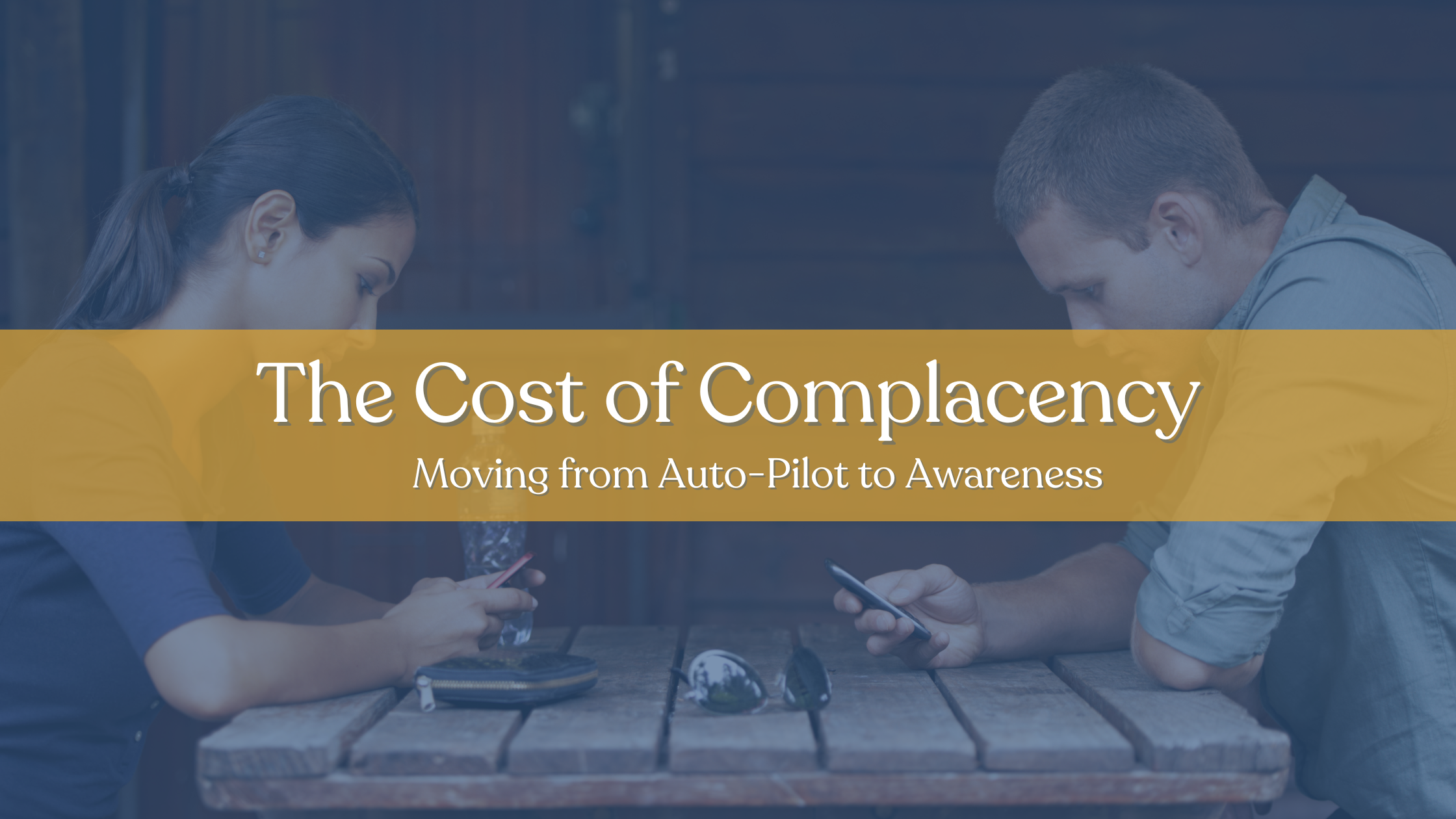
The Cost of Complacency: Moving from Auto-Pilot to awareness
Complacency is one of the biggest threats to personal safety. In this empowering blog, we explore how small mindset shifts and daily awareness can replace routine with readiness. Learn how the Paratus 3P Process helps individuals and families break free from "it won’t happen to me" thinking and build lasting habits for real-world preparedness.
Most of us like to think we’re safe. We stick to our routines, live in decent neighborhoods, and trust that if something bad hasn’t happened yet, it probably won’t. It’s an easy mindset to fall into—especially when life feels busy and predictable. But here’s the thing: safety isn’t about where you live or how lucky you’ve been so far. It’s about being aware and prepared before something happens, not after. And once you see that clearly, it’s hard to unsee it.
The Comfort of “It Won’t Happen to Me”
We all say it in different ways:
“Our town’s quiet.”
“Nothing ever really happens around here.”
“I’ve been doing this for years and never had a problem.”
That kind of thinking isn’t wrong—it’s just risky. It leans on hope instead of preparation. And in today’s world, choosing to stay unaware is a bigger gamble than it used to be.
When “Everyday” Doesn’t Go As Planned
You’ve probably read headlines like these, or maybe even lived them:
A woman leaves the grocery store and heads to her car. It’s broad daylight. She’s been here dozens of times. But this time, someone’s watching her. They wait for the moment she’s distracted—keys out, head down—and approach.
A school leaves a side door propped open for a delivery. A stranger walks in unnoticed. No one is hurt, thankfully. But it shakes everyone.
A mom runs into the gas station for a quick second and leaves her car running with her toddler inside. It’s something she’s done before. But this time, someone jumps in the car and drives away.
In all of these moments, the people involved didn’t feel unsafe. Until they were.
Not because they were careless. But because they were comfortable. Because they assumed everything was fine—like it always had been.
What Choosing Awareness Actually Looks Like
Choosing to be more aware doesn’t mean living in fear. It doesn’t mean you need to scan every corner like you’re in a spy movie. It means paying attention. It means noticing when something feels “off” and trusting that instinct.
That’s where the Paratus 3P Process comes in: Prepare. Prevent. Protect.
It’s a framework that helps you shift out of autopilot and into intentional living. Through small, daily habits, it helps you stay alert without becoming anxious. It gives you tools to teach your kids how to recognize safe exits, trust their gut, and respond with confidence.
This is the work that turns "What if something happens?" into "I know what to do if it does."
You Don’t Have to Be Perfect—Just Present
Everyone has moments when they tune out or let their guard down. That’s normal. The goal isn’t perfection. The goal is presence. It’s taking back the parts of your life that you’ve handed over to routine.
You already care about your safety. You already care about your family’s well-being. This is just about learning how to put that care into action in a way that makes a real difference.
If You’re Ready to Take a Step Forward
We created the Take Back Responsibility Program for people who want to lead themselves and others with awareness and confidence. It’s not about fear. It’s about freedom—the freedom that comes from knowing you’re prepared.
This isn’t about waiting for something bad to happen. It’s about making the decision today to live differently—more intentionally, more alert, and more empowered.