
How to Model Situational Awareness for the next generation
Learn five practical ways to model situational awareness for children using the Paratus 3P Process. This blog outlines how parents and mentors can lead by example to build safer, more resilient families and communities.
Children don’t learn situational awareness through lectures. They learn it by watching us. As parents, grandparents, and mentors, our everyday behaviors set the tone for how the next generation will respond to the world around them.
The Paratus 3P Process—Prepare, Prevent, Protect—isn’t just a personal safety strategy. It’s a way to lead by example and build long-term habits that shape resilient, aware individuals.
Here are five practical ways to model situational awareness in your daily life:
1. Be Present and Aware
Put the phone away when you're out with your kids. Stay alert and point out what you see: a distracted pedestrian, an unfamiliar vehicle, or an open exit. This teaches children to scan their surroundings and remain engaged.
2. Demonstrate Calm Under Pressure
Life doesn’t always go as planned. When stress hits, take a breath and handle it with composure. Say things like, “Let’s pause and figure this out.” Staying calm teaches kids how to manage uncertainty without panic.
3. Practice Active Listening and De-escalation
Handle conflict with respect. Lower your voice, listen carefully, and respond with empathy. Instead of telling your kids to calm down, show them what emotional control looks like. They’ll learn how to respond rather than react.
4. Involve Kids in Safety Routines
Give children small responsibilities—like identifying exits, staying aware in parking lots, or helping with younger siblings. These tasks promote shared responsibility and reinforce the habits taught through the 3P Process.
5. Promote Respect and Community Awareness
Be kind, helpful, and considerate. Hold doors, acknowledge strangers, and offer help when needed—and explain why it matters. This encourages children to think beyond themselves and contributes to a culture of safety and mutual respect.
Final Thought
What you do matters more than what you say. Modeling situational awareness builds strong, capable individuals who can navigate life with confidence and resilience.
Already enrolled in the Paratus training? Keep applying what you’ve learned, and use these strategies to extend the impact to your family and community.
Not enrolled yet? Join us at www.paratus.group
Start your journey to becoming the leader and role model your family deserves.
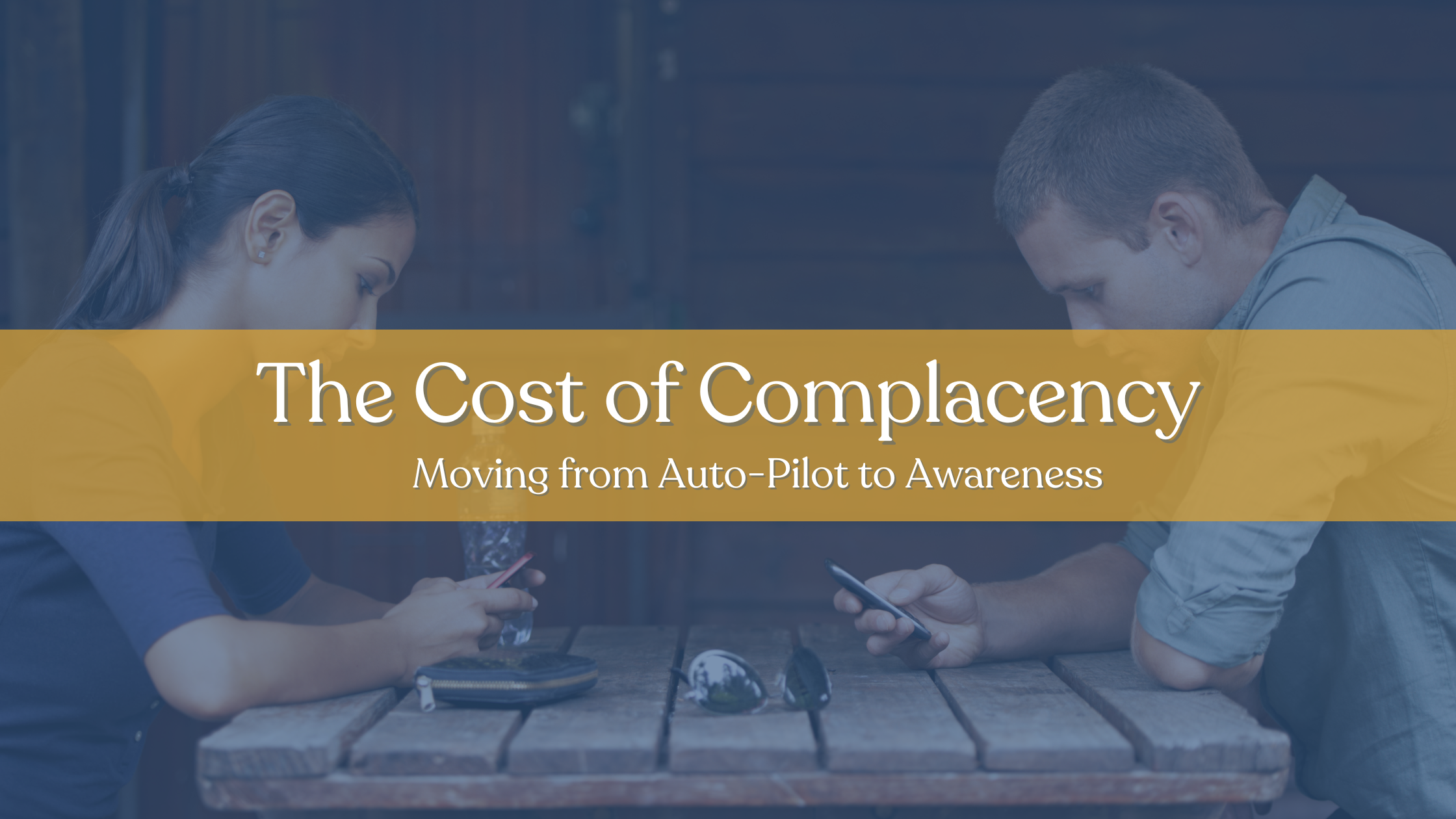
The Cost of Complacency: Moving from Auto-Pilot to awareness
Complacency is one of the biggest threats to personal safety. In this empowering blog, we explore how small mindset shifts and daily awareness can replace routine with readiness. Learn how the Paratus 3P Process helps individuals and families break free from "it won’t happen to me" thinking and build lasting habits for real-world preparedness.
Most of us like to think we’re safe. We stick to our routines, live in decent neighborhoods, and trust that if something bad hasn’t happened yet, it probably won’t. It’s an easy mindset to fall into—especially when life feels busy and predictable. But here’s the thing: safety isn’t about where you live or how lucky you’ve been so far. It’s about being aware and prepared before something happens, not after. And once you see that clearly, it’s hard to unsee it.
The Comfort of “It Won’t Happen to Me”
We all say it in different ways:
“Our town’s quiet.”
“Nothing ever really happens around here.”
“I’ve been doing this for years and never had a problem.”
That kind of thinking isn’t wrong—it’s just risky. It leans on hope instead of preparation. And in today’s world, choosing to stay unaware is a bigger gamble than it used to be.
When “Everyday” Doesn’t Go As Planned
You’ve probably read headlines like these, or maybe even lived them:
A woman leaves the grocery store and heads to her car. It’s broad daylight. She’s been here dozens of times. But this time, someone’s watching her. They wait for the moment she’s distracted—keys out, head down—and approach.
A school leaves a side door propped open for a delivery. A stranger walks in unnoticed. No one is hurt, thankfully. But it shakes everyone.
A mom runs into the gas station for a quick second and leaves her car running with her toddler inside. It’s something she’s done before. But this time, someone jumps in the car and drives away.
In all of these moments, the people involved didn’t feel unsafe. Until they were.
Not because they were careless. But because they were comfortable. Because they assumed everything was fine—like it always had been.
What Choosing Awareness Actually Looks Like
Choosing to be more aware doesn’t mean living in fear. It doesn’t mean you need to scan every corner like you’re in a spy movie. It means paying attention. It means noticing when something feels “off” and trusting that instinct.
That’s where the Paratus 3P Process comes in: Prepare. Prevent. Protect.
It’s a framework that helps you shift out of autopilot and into intentional living. Through small, daily habits, it helps you stay alert without becoming anxious. It gives you tools to teach your kids how to recognize safe exits, trust their gut, and respond with confidence.
This is the work that turns "What if something happens?" into "I know what to do if it does."
You Don’t Have to Be Perfect—Just Present
Everyone has moments when they tune out or let their guard down. That’s normal. The goal isn’t perfection. The goal is presence. It’s taking back the parts of your life that you’ve handed over to routine.
You already care about your safety. You already care about your family’s well-being. This is just about learning how to put that care into action in a way that makes a real difference.
If You’re Ready to Take a Step Forward
We created the Take Back Responsibility Program for people who want to lead themselves and others with awareness and confidence. It’s not about fear. It’s about freedom—the freedom that comes from knowing you’re prepared.
This isn’t about waiting for something bad to happen. It’s about making the decision today to live differently—more intentionally, more alert, and more empowered.
From vulnerable to vigilant
This blog highlights the critical need for situational awareness in today’s unpredictable world and shares a real-life testimonial from a Paratus client who transformed their family’s safety mindset through the Take Back Responsibility Program. It explores how awareness—not just locks and cameras—is the most effective defense, and encourages readers to take control of their personal and family safety by embracing the Paratus 3P Process: Prepare, Prevent, Protect.
Why Situational Awareness is the Skill Everyone Needs in Today’s World:
Life doesn’t give warnings. Emergencies rarely announce themselves. From disturbing headlines about violence in schools, attempted abductions, to threats at workplaces, there’s a rising need for more than just hope or luck. There’s a need for preparation.
That’s where situational awareness comes in—not as a buzzword, but as a life skill. One that empowers you to move from feeling vulnerable to being confidently vigilant.
Why Situational Awareness Matters
Many families rely on doorbell cameras, alarm systems, or self-defense gadgets to feel safe. While those tools are helpful, they don’t replace the most powerful defense we have: awareness.
Situational awareness is about being mentally prepared, knowing how to spot trouble before it happens, and being confident enough to act. It isn’t fear-based—it’s about staying present and proactive in the world around you.
A Real Story from a Paratus Client
"Before I found Paratus, I thought our home was secure. We had cameras, alarms, and deadbolts. But one afternoon, a burglary happened on our street—just three houses down. The footage showed the suspect walking casually up to the home, checking doors until he found one unlocked. It shook me. I realized how easily it could’ve been us—and how unprepared we really were."
"That’s when I enrolled in the Paratus Take Back Responsibility Program. It completely changed our approach to safety. We didn’t just install things—we practiced awareness at home and everywhere we went. My kids learned how to spot exits when we go shopping. My spouse and I have a plan for emergencies. We lock our doors, but more importantly, we live alert. I sleep better at night knowing we’re not easy targets anymore."
— Jenna M., Texas
Paratus 3P: Beyond Locks and Cameras
What sets Paratus apart is the 3P Process: Prepare, Prevent, Protect.
It’s more than a theory—it’s a daily mindset that helps you build habits that actually keep your family safer.
Through the Take Back Responsibility Program, families and individuals learn how to:
Be aware of their surroundings in everyday environments.
Teach kids safe habits without fear.
Spot red flags and prevent danger before it unfolds.
Respond confidently in high-stress situations.
This program isn’t just about emergencies. It’s about peace of mind in parking lots, school drop-off lines, grocery stores, and walks through the neighborhood. It’s about empowering your family to live with confidence, not fear.
You won’t find that in an app or a gadget—it comes from training, practice, and mindset.
Your Next Step: Take Back Responsibility
We believe safety isn’t something you outsource. It’s something you practice. With Paratus, you’ll get more than tips—you’ll develop a lifestyle of awareness, confidence, and readiness.
If you’re ready to move from vulnerable to vigilant, to teach your family how to stay safe in any situation, and to gain the tools that make a real difference—this is your moment.
Join the thousands of families already transforming the way they live.
👉 Enroll in the Take Back Responsibility Program today and start building the confidence, skills, and habits that will protect what matters most.