
From Distraction to awareness
Our culture is distracted and disconnected. Learn how situational awareness training can shift society from isolation to responsibility and safety.
Walk into almost any public space today - an airport, a coffee shop, a train car, a restaurant, or a grocery store, and you’ll see the same picture: heads down, eyes glued to phones, earbuds in, people moving through life in their own little bubble.
On the surface, this looks harmless.
But beneath it lies a dangerous cultural shift: a society that is disconnected, distracted, and unprepared to protect itself or one another.
The Truth About Our Current Culture
We live in a time when danger doesn’t always announce itself loudly. Threats often begin quietly, in body language, in conversations, in online posts. But too often, we miss them because we aren’t paying attention.
This isn’t just about individual safety. It’s about the erosion of collective responsibility. When everyone keeps to themselves, when people convince themselves “someone else will act,” tragedies escalate. This is the bystander effect playing out in real time, over and over again.
What Needs to Change
We can’t fix cultural distraction with another policy, committee, or task force. Those approaches are reactive, top-down, and slow. What we need is a cultural shift - one that starts with people taking back responsibility in their daily lives.
Imagine a culture where:
Parents teach their kids not just to be careful, but also how to notice warning signs.
Commuters on a subway car look up, notice distress, and take action before it’s too late.
Neighbors check in on one another, not just after tragedy, but before.
That’s the kind of world Paratus is working to build.
The Paratus Approach
At Paratus, we believe the solution is simple, but powerful: train people to be more aware, more in tune, and more confident to act.
Through our 3P Process—Prepare, Prevent, Protect—we equip families, schools, businesses, and communities with skills that build habits, not just knowledge. Our programs are designed to:
✔ Develop daily situational awareness skills
✔ Teach the 10 Critical Skills of safety and responsibility
✔ Empower people to act as their own first responder when it matters most
✔ Shift from isolated, reactive thinking toa connected, proactive culture
This is not about paranoia. It’s about empowerment. It’s about love for our families, communities, and one another.
Our Hope for the Future
We know the cultural climate won’t change overnight. But every time a parent practices awareness with their child, every time an employee notices a risk at work, every time a community member decides not to look away - we move one step closer to a safer world.
This is the mission of Paratus: to break free from distraction and isolation, and to replace them with awareness, responsibility, and courage.
Because the truth is, culture doesn’t just happen. We create it.
And together, we can create one where everyone is safer, stronger, and more connected.
Ready to Take Back Responsibility?
Learn how the Paratus program can empower you, your family, or your organization: www.paratus.group/takebackresponsibility
The Myth of “Safe Places”: Why awareness matters everywhere
From schools to subways, recent tragedies show no place is guaranteed safe. Learn why situational awareness is the daily habit that protects us all.
When you think of a “safe place,” what comes to mind?
Maybe it’s your child’s school. Your neighborhood grocery store. Your favorite gym. A church pew.
These are spaces where we feel comfortable…where routine and familiarity trick us into believing danger can’t touch us.
But the truth is this: there are no guarantees.
The Problem With “It Won’t Happen Here”
Tragedy often strikes in the places we least expect it: a Catholic school in Minneapolis, a park in Stamford, a nightclub in Brooklyn, a subway train in Charlotte.
These places were filled with ordinary people going about their lives. And yet, danger walked in.
When we buy into the myth of “safe places,” we let our guard down. We get distracted. We stop noticing who’s around us or what’s happening nearby. That false sense of security makes us more vulnerable…not less.
Everyday Spaces, Everyday Risks
Most people don’t expect violence or emergencies in everyday spaces. But consider:
Schools & Campuses: Since 2018, the U.S. has averaged at least one school shooting per week.
Workplaces: Nearly 2 million Americans experience workplace violence every year.
Public Transit: Whether theft, harassment, or assaults, transit systems see incidents daily across major cities.
Neighborhoods: Carjackings, burglaries, and even opportunistic crimes happen where people feel “most comfortable.”
The lesson? Location alone doesn’t make you safe. Habits do.
Awareness as a Daily Practice
Situational awareness doesn’t mean living in fear. It means living prepared.
Here are three ways to carry awareness into every space:
1️⃣ Notice people, not just places. Look at body language, not just scenery.
2️⃣ Limit distractions. Eyes up, phone down, especially in transitional spaces like parking lots.
3️⃣ Know your options. In every room or setting, identify exits or safe routes.
These small habits, practiced daily, stack into confidence. Instead of worrying “what if,” you already know what to do.
Collective Responsibility in “Safe Places”
Awareness is contagious. When one person looks up, pays attention, and takes responsibility, it signals to others to do the same.
Parents model awareness to kids, teachers create cultures of safety in classrooms, employees watch out for coworkers, and communities where people care enough to notice and act.
That’s how “safe places” become safer: not by assuming security, but by sharing responsibility.
The Paratus Mission
At Paratus, we challenge the myth of safe places because we know safety is not a guarantee—it’s a mindset.
Our Take Back Responsibility program equips families, schools, businesses, and communities with the skills to:
Prepare for the unexpected,
Prevent risks from escalating,
Protect themselves and those around them.
Because safety doesn’t live in buildings, policies, or routines, it lives in people who are ready, aware, and willing to take responsibility.
Don’t settle for the myth of safe places. Build the habits that make safety real.
Learn more and join the mission: https://www.paratus.group/takebackresponsibility
The Everyday Insurance Policy You’re Forgetting: Situational Awareness
Unlike car or home insurance, situational awareness prevents danger BEFORE it happens. Learn how Paratus helps keep you and your family safe every day.
We don’t think twice about buying insurance.
We pay for car insurance, health insurance, and home insurance because we know life is unpredictable.
But here’s the truth:
🚗 Car insurance doesn’t stop a crash.
🔥 Home insurance doesn’t prevent a fire.
⚕️ Health insurance doesn’t keep you from getting sick.
Insurance reacts after something has already gone wrong.
What if you could protect yourself and your family before the worst happens?
That’s exactly what situational awareness training does.
Insurance Reacts. Awareness Prevents.
Insurance is essential, but it only helps you after the damage is done.
Situational awareness is proactive. It’s the skill of noticing danger early, making smart decisions, and acting before chaos unfolds.
Instead of picking up the pieces after tragedy, you can avoid being caught in it altogether.
The Seatbelt and Smoke Detector Mindset
Think about it:
You buckle your seatbelt every time you drive, not because you expect to crash, but because you know it could happen.
You install smoke detectors, even if your house has never caught fire.
Situational awareness works the same way. It’s a safety habit you carry with you:
✔️ At the grocery store
✔️ In a parking lot
✔️ At work
✔️ On your morning run
Most of the time, your day will be completely normal. But if something goes wrong, your awareness could make all the difference.
Why Your Family Needs It Most
If you’re a parent, you know the worry that comes when your kids walk out the door. You’re not there to shield them from the world.
Teens face peer pressure and unsafe gatherings.
College students navigate campuses where theft, harassment, and even violence can occur.
Spouses and loved ones face daily risks, from late-night commutes to busy public events.
Situational awareness isn’t about living in fear. It’s about confidence: allowing your family to spot risks, trust their instincts, and act fast when something doesn’t feel right.
It’s not paranoia. It’s protection.
The Paratus Difference
Here’s where we come in.
The Paratus Take Back Responsibility program isn’t a one-time workshop or lecture you’ll forget by next week. It’s an online course that works like an awareness gym: short, practical lessons you can fit into your everyday life.
Prepare: Build daily habits that keep you alert and aware.
Prevent: Recognize subtle risks before they turn into real danger.
Protect: Respond quickly and confidently when a threat can’t be avoided.
Just like exercise builds muscle, Paratus training builds instinct. Over time, it becomes second nature.
The Bottom Line
You’d never drive without insurance.
You’d never leave your home unprotected from fire.
So why go through life without protecting what’s most valuable, your safety and your family’s safety?
Situational awareness is the one “insurance policy” you don’t just pay for and hope you never use. It’s the one you practice every day and that protects you every time you step out the door.
💡 Don’t wait until a headline or emergency makes you wish you had started sooner.
Learn how to Prepare, Prevent, and Protect with Paratus today: https://www.paratus.group/takebackresponsibility
What Would You Do If a Peaceful Place Turned Dangerous?
Learn how situational awareness can keep you safe during unexpected moments of civil unrest, protests, or flash mobs. This post explores real-world tips for recognizing danger early, making smart decisions under pressure, and using the Paratus 3P Process to stay ahead of chaos before it starts.
You’re walking through a familiar part of town. Maybe you're running errands, grabbing coffee, or just heading home. Everything feels normal — until it doesn’t.
A crowd starts to form. Voices get louder. Tension builds.
And just like that, what felt like an ordinary day turns into something else entirely.
We’ve seen it happen — protests that shift in energy, flash mobs that spiral, or riots that break out without warning.
It’s fast. It’s overwhelming. And most people? They freeze.
Here’s the part no one likes to talk about:
You don’t have to be involved to be at risk.
You also don’t need to be part of a cause or even know what’s going on.
You may just be nearby, in the wrong place at the wrong time… and unprepared.
So what can you do?
This is where situational awareness makes all the difference.
It’s not just about noticing when something’s “off.” It’s about having a plan before the danger becomes obvious.
Ask yourself:
Would I notice the signs early?
Would I know where to go?
Would I leave before things escalated — or wait and hope it blows over?
That split-second decision could be everything.
Awareness isn’t fear — it’s control.
You don’t need to live your life looking over your shoulder.
But you do need to understand how quickly things can change — and how to act with clarity when they do.
At Paratus, we train people to stay ahead of the chaos, not react to it.
Through our 3P Process — Prepare, Prevent, Protect — we teach everyday skills that help you make smart decisions under pressure.
Because safety doesn’t start when something goes wrong.
It starts with how you think before it does.
Take back responsibility.
You don’t need to be a first responder to be ready.
You just need the mindset to respond first.
Want to learn how to build that kind of awareness?
Start today: https://mailchi.mp/paratus/take-back-responsibility
How to Model Situational Awareness for the next generation
Learn five practical ways to model situational awareness for children using the Paratus 3P Process. This blog outlines how parents and mentors can lead by example to build safer, more resilient families and communities.
Children don’t learn situational awareness through lectures. They learn it by watching us. As parents, grandparents, and mentors, our everyday behaviors set the tone for how the next generation will respond to the world around them.
The Paratus 3P Process—Prepare, Prevent, Protect—isn’t just a personal safety strategy. It’s a way to lead by example and build long-term habits that shape resilient, aware individuals.
Here are five practical ways to model situational awareness in your daily life:
1. Be Present and Aware
Put the phone away when you're out with your kids. Stay alert and point out what you see: a distracted pedestrian, an unfamiliar vehicle, or an open exit. This teaches children to scan their surroundings and remain engaged.
2. Demonstrate Calm Under Pressure
Life doesn’t always go as planned. When stress hits, take a breath and handle it with composure. Say things like, “Let’s pause and figure this out.” Staying calm teaches kids how to manage uncertainty without panic.
3. Practice Active Listening and De-escalation
Handle conflict with respect. Lower your voice, listen carefully, and respond with empathy. Instead of telling your kids to calm down, show them what emotional control looks like. They’ll learn how to respond rather than react.
4. Involve Kids in Safety Routines
Give children small responsibilities—like identifying exits, staying aware in parking lots, or helping with younger siblings. These tasks promote shared responsibility and reinforce the habits taught through the 3P Process.
5. Promote Respect and Community Awareness
Be kind, helpful, and considerate. Hold doors, acknowledge strangers, and offer help when needed—and explain why it matters. This encourages children to think beyond themselves and contributes to a culture of safety and mutual respect.
Final Thought
What you do matters more than what you say. Modeling situational awareness builds strong, capable individuals who can navigate life with confidence and resilience.
Already enrolled in the Paratus training? Keep applying what you’ve learned, and use these strategies to extend the impact to your family and community.
Not enrolled yet? Join us at www.paratus.group
Start your journey to becoming the leader and role model your family deserves.
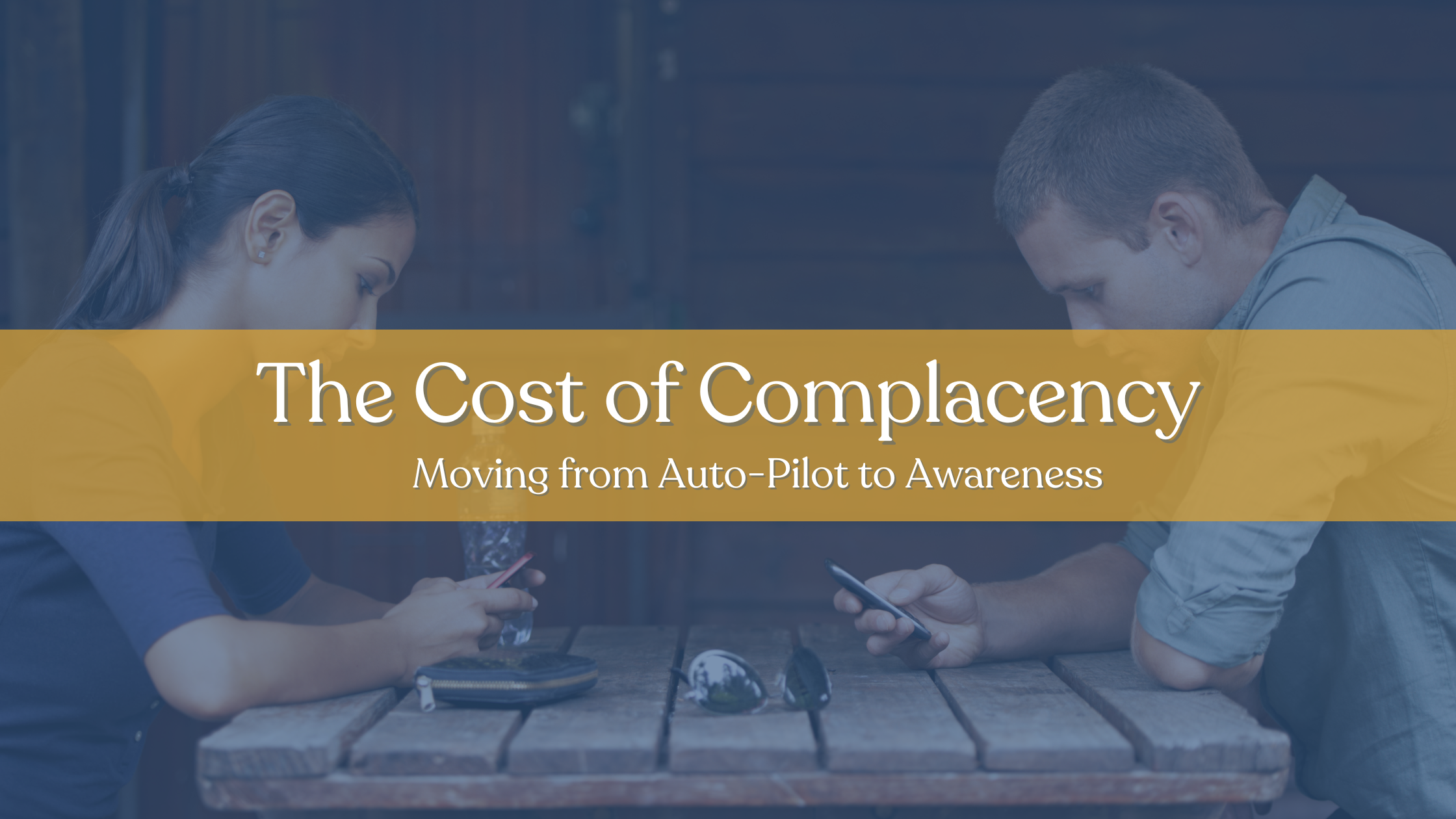
The Cost of Complacency: Moving from Auto-Pilot to awareness
Complacency is one of the biggest threats to personal safety. In this empowering blog, we explore how small mindset shifts and daily awareness can replace routine with readiness. Learn how the Paratus 3P Process helps individuals and families break free from "it won’t happen to me" thinking and build lasting habits for real-world preparedness.
Most of us like to think we’re safe. We stick to our routines, live in decent neighborhoods, and trust that if something bad hasn’t happened yet, it probably won’t. It’s an easy mindset to fall into—especially when life feels busy and predictable. But here’s the thing: safety isn’t about where you live or how lucky you’ve been so far. It’s about being aware and prepared before something happens, not after. And once you see that clearly, it’s hard to unsee it.
The Comfort of “It Won’t Happen to Me”
We all say it in different ways:
“Our town’s quiet.”
“Nothing ever really happens around here.”
“I’ve been doing this for years and never had a problem.”
That kind of thinking isn’t wrong—it’s just risky. It leans on hope instead of preparation. And in today’s world, choosing to stay unaware is a bigger gamble than it used to be.
When “Everyday” Doesn’t Go As Planned
You’ve probably read headlines like these, or maybe even lived them:
A woman leaves the grocery store and heads to her car. It’s broad daylight. She’s been here dozens of times. But this time, someone’s watching her. They wait for the moment she’s distracted—keys out, head down—and approach.
A school leaves a side door propped open for a delivery. A stranger walks in unnoticed. No one is hurt, thankfully. But it shakes everyone.
A mom runs into the gas station for a quick second and leaves her car running with her toddler inside. It’s something she’s done before. But this time, someone jumps in the car and drives away.
In all of these moments, the people involved didn’t feel unsafe. Until they were.
Not because they were careless. But because they were comfortable. Because they assumed everything was fine—like it always had been.
What Choosing Awareness Actually Looks Like
Choosing to be more aware doesn’t mean living in fear. It doesn’t mean you need to scan every corner like you’re in a spy movie. It means paying attention. It means noticing when something feels “off” and trusting that instinct.
That’s where the Paratus 3P Process comes in: Prepare. Prevent. Protect.
It’s a framework that helps you shift out of autopilot and into intentional living. Through small, daily habits, it helps you stay alert without becoming anxious. It gives you tools to teach your kids how to recognize safe exits, trust their gut, and respond with confidence.
This is the work that turns "What if something happens?" into "I know what to do if it does."
You Don’t Have to Be Perfect—Just Present
Everyone has moments when they tune out or let their guard down. That’s normal. The goal isn’t perfection. The goal is presence. It’s taking back the parts of your life that you’ve handed over to routine.
You already care about your safety. You already care about your family’s well-being. This is just about learning how to put that care into action in a way that makes a real difference.
If You’re Ready to Take a Step Forward
We created the Take Back Responsibility Program for people who want to lead themselves and others with awareness and confidence. It’s not about fear. It’s about freedom—the freedom that comes from knowing you’re prepared.
This isn’t about waiting for something bad to happen. It’s about making the decision today to live differently—more intentionally, more alert, and more empowered.