
Readiness is a mindset…
Being prepared isn’t about stockpiling supplies—it’s about how you think under pressure. This blog breaks down 5 questions that reveal if your mindset is ready for the unexpected. Learn the habits that set prepared people apart.
5 Questions That Reveal If You’re Really Prepared
Being prepared doesn’t mean having a bunker in your backyard with 5 years’ worth of freeze-dried food.
It means having the ability to stay calm under pressure.
To make a clear decision when everything around you gets loud.
To move, when others freeze.
Readiness is a mindset. And like any mindset, it’s not something you’re born with. It’s built. Practiced. Sharpened.
If you’re not sure where you stand, here are 5 simple but powerful questions that reveal whether you’re mentally ready for the unexpected:
1. Do I freeze when something unexpected happens—or do I move?
This is the foundation.
When your brain gets overwhelmed, it defaults to what’s been rehearsed. If you haven’t trained to respond under pressure, you’ll stall.
It doesn’t mean you’re weak—it means your mind was unprepared for that moment.
The solution? Start small. Rehearse “what-if” moments daily. Build your library of responses so your body has something to fall back on when time runs out.
2. When I enter a space, do I scan…or settle in?
Readiness begins before anything goes wrong.
Do you look for exits? Do you notice who’s coming and going? Or do you sit down, pull out your phone, and let the world blur around you?
This isn’t paranoia. It’s awareness. And it’s one of the most overlooked but important habits of prepared people.
3. Do I rely on others to react, or do I take ownership of my safety?
We’ve been conditioned to expect someone else to respond: a teacher, a manager, a police officer, or a spouse.
But what if they’re not there? What if they’re frozen too?
Preparedness means taking personal responsibility, not just for your own safety, but for those around you.
4. Am I making small decisions every day that build my readiness, or relying on big, theoretical plans?
Big plans look great on paper. But real readiness is built in the details…everyday decisions like:
Parking under a streetlight
Running without both earbuds in
Charging your phone before leaving home
Trusting your gut, not overriding it
You don’t need to change everything. Just start paying attention to the things you do automatically and upgrade your habits one decision at a time.
5. Do I have a process, or do I hope I’ll figure it out in the moment?
Hope is not a strategy.
The Paratus 3P Process—Prepare, Prevent, Protect—exists for this exact reason.
It gives you a mental framework to fall back on when everything else falls apart.
It’s not about having the perfect answer. It’s about having a repeatable process that keeps your brain moving forward when others panic.
You Don’t Need to Be Perfect… You Just Need to Start.
Readiness isn’t about knowing everything.
It’s about thinking ahead, noticing more, and being the one who moves when others stall.
If you're ready to train your mind, not just your gear list, start with the Take Back Responsibility Program.
Learn the Paratus 3P Process. Practice your awareness. Build a mindset that works in real life.
#ReadinessMindset #Paratus3P #TakeBackResponsibility #PreparedNotScared #EverydayPreparedness #SituationalAwareness #SelfRescue #MentalPreparedness
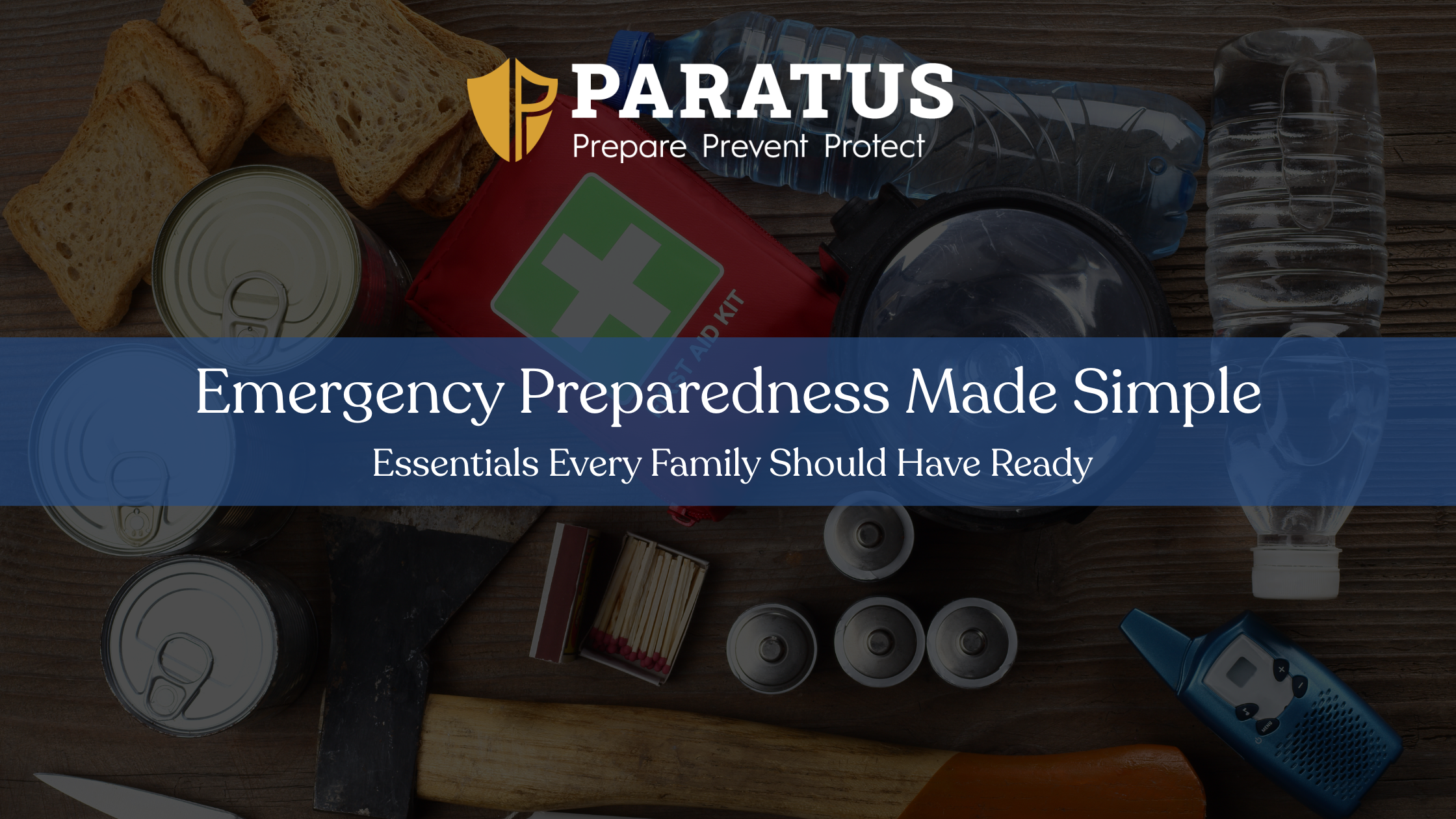
Prepared, Not Panicked: Simple Steps Every Family Can Take Today
Learn the simple steps every family can take to stay prepared for unexpected emergencies. Build confidence with food, water, first aid, power backup, and a clear plan.
Recent headlines have once again reminded us that global tensions can shift quickly. With U.S. bombers deployed overseas and talk of heightened threats, many Americans are asking a simple but essential question:
“If something happens close to home… am I prepared?”
While some will say the chances are low, the reality is: We live in a different world today.
The threat from sleeper cells, proxy actors, and foreign adversaries is real and growing.
Attacks could mirror events like October 7th in Israel or target power grids, financial systems, water supplies, or communication infrastructure.
Cyberattacks alone could shut down electricity, and with that, your ability to communicate, bank, travel, and even access clean water.
This isn’t fearmongering.
It’s reality.
And while we may hope that FEMA or federal, state, or local governments can help, history tells us their response will be limited, delayed, or unavailable entirely. You need to be ready to take care of yourself, your family, and your neighbors.
The good news? Preparedness doesn’t have to be complicated.
You don’t need a bunker. You don’t need to become a survivalist.
You need a plan, a few essential supplies, and the confidence that comes from readiness.
tHE FIRST ESSENTIALS: fOOD AND WATER
If services are disrupted, grocery stores won’t restock overnight. Start with:
At least 7 days of non-perishable food that your family will actually eat.
(canned goods, protein bars, peanut butter, pasta, shelf-stable milk, etc.)3 to 5 gallons of water per person, per day (for drinking, cooking, and sanitation).
Baby formula, pet food, or any specialty items your household needs.
This isn’t hoarding. It’s just smart, rotating inventory.
Cooking Sources
Don’t forget, if the power goes out, your ability to cook may be limited.
Make sure you have:
A small propane camp stove or portable gas cooker with extra fuel.
A backup cooking option such as a small charcoal or wood-burning stove or grill.
A reliable fire starter (waterproof matches, lighters, or ferro rods.
Even simple meals require heat. Having multiple safe ways to boil water or cook food adds flexibility and peace of mind.
Light and Power: Staying Functional in the Dark
Power outages are often the first domino to fall. Be ready with:
Battery-powered or hand-crank flashlights (avoid candles).
Solar-powered chargers.
Portable phone chargers and power banks.
Spare batteries.
Solar-powered lanterns.
First aid: Ready for both minor and serious injuries
A basic first aid kit isn’t enough. Every household should have a Tactical IFAK (Individual First Aid Kit) with:
Tourniquet, chest seals, wound packing materials, hemostatic gauze, nasal airway (NPA), pressure bandages.
Antiseptics, gloves, tweezers, over-the-counter medications, and pain relievers.
Extra prescription medications.
Basic training on how to use every component in your kit (take a tactical first aid and CPR course).
Important Documents and Cash
Keep these items accessible:
Printed copies of IDs, insurance policies, medical records, and emergency contacts.
Reasonable amount of cash (ATMs may not work during grid failures).
Backup written contact lists in case phones or devices fail.
If things truly break down, cash may lose value. Food, fuel, water, and skills will matter most.
Communication and Planning
Have a plan ready if communication systems fail:
A family meeting location if cell networks go down.
An emergency contact outside your immediate area.
A weather radio or emergency alert system.
Backup communication devices that don’t rely on cellular networks.
Mindset: Think Beyond Supplies
Preparedness isn’t just about what you have. It’s about how you think.
Are you ready to defend your home, your family, and your resources if necessary?
Are you thinking through scenarios where unprepared neighbors or strangers might seek your supplies?
Will you help others who need it? Will you be ready to lead?
This is why preparing with your neighbors and community is just as important as preparing your own home.
You cannot afford to prepare in isolation.
Preparedness isn’t about fear. It’s about giving yourself margin—a buffer between you and panic. When you’ve handled the basics, you’re calmer under pressure. You make better decisions. You don’t freeze when others panic. Situational awareness starts long before the crisis. The Paratus 3P Process helps you build the habits, skills, and mindset to recognize threats early and act decisively—whether the risk is global, local, or right at your front door.
The world may feel unstable. Your preparedness doesn’t have to be.
Start small. Start simple. But start now.
Because hoping someone else will save you isn’t a plan.
Learn more about building your family’s preparedness mindset with the Paratus 3P Process.
Click Here To Learn More

Empowering Kids for Safety
Equip your children with vital situational awareness skills using practical tips and strategies from the Paratus Group. Learn how to empower your family with confidence-building techniques and safety practices to effectively handle everyday dangers.
As parents, our biggest responsibility—and our biggest worry—is the safety of our children. Equipping your kids with situational awareness skills is one of the most impactful ways to protect them. It's not about fostering fear but rather about empowering them with the tools to navigate their world confidently.
At Paratus Group, we emphasize a family-oriented approach, incorporating the proven 3P method (Prepare, Prevent, Protect) to help both parents and children develop habits, behaviors, and mindsets essential for staying safe.
Why Teach Kids Situational Awareness?
Kids naturally have less experience recognizing potential dangers. Teaching them situational awareness helps them:
Recognize and avoid potentially dangerous situations.
Build confidence and reduce anxiety.
Understand when and how to seek help effectively.
Practical Situational Awareness Tips for Families:
1. Make Observation a Game
Regularly encourage your child to point out things around them—people, landmarks, exits.
Ask simple questions: "What color shirt was that person wearing?" or "Can you spot two ways we can safely leave this building?"
2. Establish Clear Family Safety Rules
Create easy-to-remember guidelines (e.g., “We always stay close in crowded areas” or “Always check with a parent before going somewhere new”).
Regularly revisit these rules and explain their importance.
3. Role-Playing Scenarios
Practice various scenarios in a safe environment at home, such as being approached by a stranger or getting separated in public.
Discuss appropriate responses and rehearse actions clearly and calmly.
4. Empower Decision-Making
Teach your children to trust their instincts. Let them know it's always okay to speak up if they feel uncomfortable.
Reinforce that they won’t get in trouble for expressing concerns or asking for help.
5. Develop Check-in Habits
Establish simple routines for your child to check in with you regularly when out in public or visiting friends.
Use simple and discrete signals or code words for uncomfortable situations.
How Paratus Group Empowers Family Safety
Paratus Group’s training methodology is unique, providing families with accessible micro-learning content designed specifically to build and reinforce effective safety habits. Our program supports parents in teaching their children the skills of identifying, assessing, and responding effectively to threats—empowering kids to become proactive participants in their own safety.
Our ongoing support model ensures these critical safety skills remain fresh, relevant, and second nature through continuous engagement and practice.
Real-Life Impact
Families who have completed the Paratus training share stories of children confidently handling tricky situations—like knowing exactly what to do when approached by a stranger, or quickly identifying and reporting suspicious behavior at school.
Situational awareness isn’t just about avoiding danger; it’s about creating confident, empowered children who feel safe, secure, and ready to handle life’s unexpected moments.
Ready to Empower Your Family?
Join other proactive families and discover how our family-oriented training at Paratus Group can bring peace of mind and lasting security. Visit Paratus.Group to learn more and begin your journey to a safer, more empowered family.
Safety starts with awareness—make it a family priority.
Why Situational Awareness Is Your Best Self-Defense
Discover why situational awareness is your most powerful self-defense tool. Learn proactive safety strategies, preventive techniques, and essential skills through the Paratus 3P Process. Boost your confidence, mental resilience, and personal safety—empowering yourself to protect your family and community.
Safety is something we often don't think about until we’re forced to. In our unpredictable world, threats can emerge unexpectedly, from natural disasters and public emergencies to personal safety incidents. The best defense against such threats isn't necessarily strength or speed—it's something far simpler yet profoundly impactful: situational awareness.
What Exactly Is Situational Awareness?
Situational awareness is the skill of actively observing, understanding, and assessing your surroundings at all times. It involves recognizing potential risks and threats early, giving you the critical advantage of time to avoid danger or respond decisively if necessary.
At Paratus Group, we define situational awareness as the continuous process of identifying, assessing, predicting, deciding, and acting. Through dedicated training and practice, this process becomes an instinctual habit.
Why is Situational Awareness Critical?
The essence of situational awareness lies in its preventive power. Unlike reactive measures—which are essential but secondary—situational awareness focuses on proactive prevention. As the Paratus Group emphasizes through its proven 3P Process (Prepare, Prevent, Protect), preparation helps you avoid victimization, reduces anxiety, and significantly improves your mental health and confidence in daily life.
Imagine yourself walking to your car late at night. A situationally aware individual notices potential risks—a poorly lit area, an unfamiliar individual lingering nearby—and can take immediate preventive action. This heightened sense of awareness dramatically decreases your vulnerability and enhances your overall personal safety.
Real-World Examples & Testimonials
Participants in Paratus Group’s training have shared powerful stories about how their newfound situational awareness helped them avoid potentially dangerous situations:
A mother who quickly noticed suspicious behavior at a public park and moved her children safely away, avoiding an incident.
A business executive who recognized phishing scams and cybersecurity threats, safeguarding his company from substantial data loss.
College students who successfully diffused escalating situations by being aware of their surroundings and intervening appropriately early.
These testimonials underscore the effectiveness of situational awareness training in real-world settings.
Psychological Benefits of Situational Awareness
Situational awareness doesn't just protect you physically—it also significantly benefits your mental well-being. Preparedness reduces stress and anxiety, allowing you to live confidently without constant worry. At Paratus Group, we understand that worry is not the same as preparation; the latter empowers you, transforming your outlook from fear to confidence.
How to Enhance Your Situational Awareness
Improving your situational awareness involves regular, intentional practice of the following habits:
Stay observant: Regularly scan your environment, noting anything unusual.
Trust your instincts: If something feels off, respond immediately.
Minimize distractions: Particularly in public settings, reduce focus on phones or other devices.
Take proactive steps: Move toward safer locations, communicate your plans with trusted contacts, and avoid potential threats early.
Join the Paratus Movement
At Paratus Group, we equip you with critical skills through our specialized, continuous training model. Our unique Paratus 3P Process—Prepare, Prevent, Protect—helps embed situational awareness deeply into your daily habits, behaviors, and mindset.
Empower yourself today. Become your first responder. Enroll in our training course to learn more and enhance your ability to keep yourself, your family, and your community safe.
Situational awareness isn’t just a skill—it’s your best self-defense.