
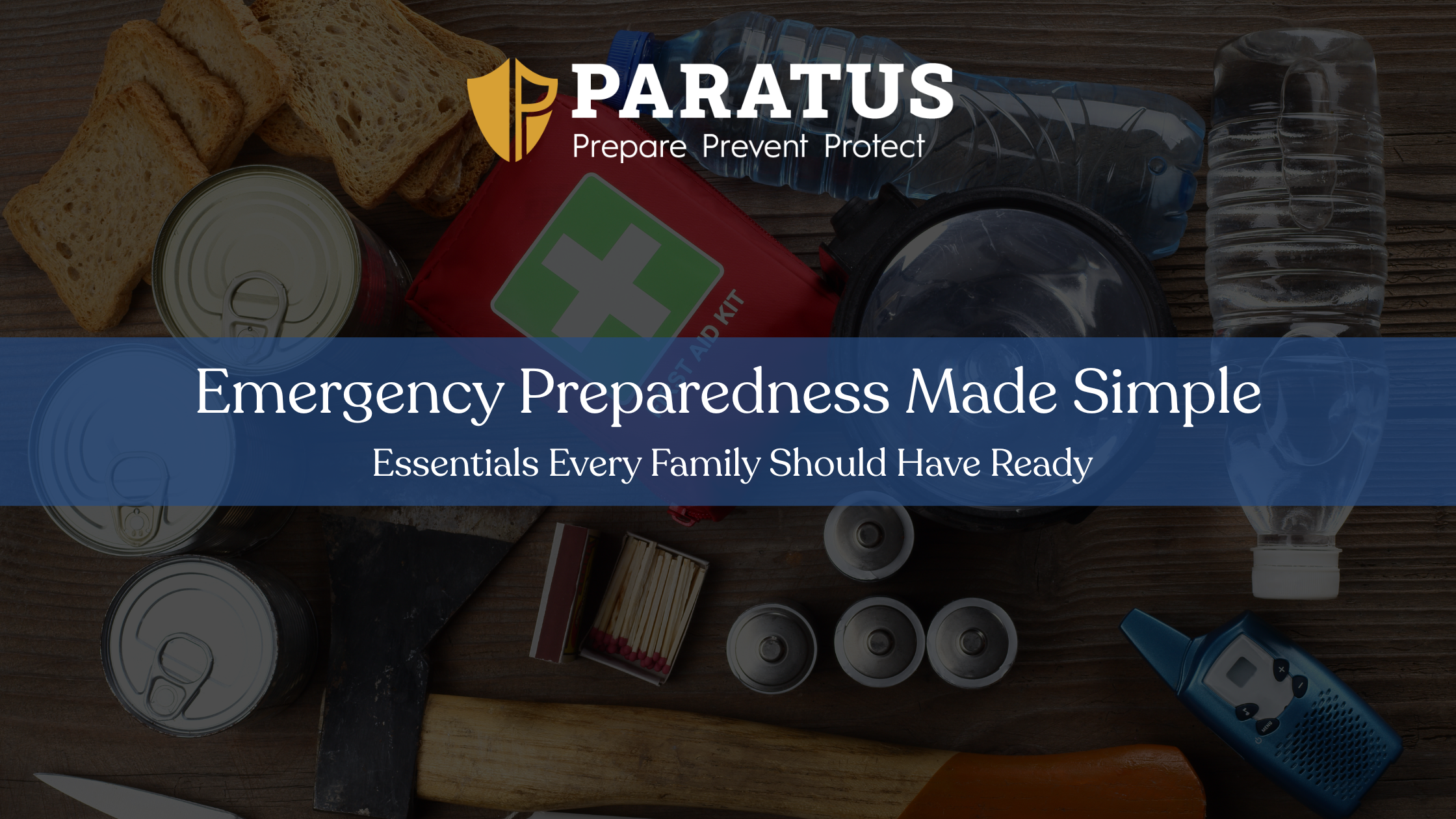
Prepared, Not Panicked: Simple Steps Every Family Can Take Today
Learn the simple steps every family can take to stay prepared for unexpected emergencies. Build confidence with food, water, first aid, power backup, and a clear plan.
Recent headlines have once again reminded us that global tensions can shift quickly. With U.S. bombers deployed overseas and talk of heightened threats, many Americans are asking a simple but essential question:
“If something happens close to home… am I prepared?”
While some will say the chances are low, the reality is: We live in a different world today.
The threat from sleeper cells, proxy actors, and foreign adversaries is real and growing.
Attacks could mirror events like October 7th in Israel or target power grids, financial systems, water supplies, or communication infrastructure.
Cyberattacks alone could shut down electricity, and with that, your ability to communicate, bank, travel, and even access clean water.
This isn’t fearmongering.
It’s reality.
And while we may hope that FEMA or federal, state, or local governments can help, history tells us their response will be limited, delayed, or unavailable entirely. You need to be ready to take care of yourself, your family, and your neighbors.
The good news? Preparedness doesn’t have to be complicated.
You don’t need a bunker. You don’t need to become a survivalist.
You need a plan, a few essential supplies, and the confidence that comes from readiness.
tHE FIRST ESSENTIALS: fOOD AND WATER
If services are disrupted, grocery stores won’t restock overnight. Start with:
At least 7 days of non-perishable food that your family will actually eat.
(canned goods, protein bars, peanut butter, pasta, shelf-stable milk, etc.)3 to 5 gallons of water per person, per day (for drinking, cooking, and sanitation).
Baby formula, pet food, or any specialty items your household needs.
This isn’t hoarding. It’s just smart, rotating inventory.
Cooking Sources
Don’t forget, if the power goes out, your ability to cook may be limited.
Make sure you have:
A small propane camp stove or portable gas cooker with extra fuel.
A backup cooking option such as a small charcoal or wood-burning stove or grill.
A reliable fire starter (waterproof matches, lighters, or ferro rods.
Even simple meals require heat. Having multiple safe ways to boil water or cook food adds flexibility and peace of mind.
Light and Power: Staying Functional in the Dark
Power outages are often the first domino to fall. Be ready with:
Battery-powered or hand-crank flashlights (avoid candles).
Solar-powered chargers.
Portable phone chargers and power banks.
Spare batteries.
Solar-powered lanterns.
First aid: Ready for both minor and serious injuries
A basic first aid kit isn’t enough. Every household should have a Tactical IFAK (Individual First Aid Kit) with:
Tourniquet, chest seals, wound packing materials, hemostatic gauze, nasal airway (NPA), pressure bandages.
Antiseptics, gloves, tweezers, over-the-counter medications, and pain relievers.
Extra prescription medications.
Basic training on how to use every component in your kit (take a tactical first aid and CPR course).
Important Documents and Cash
Keep these items accessible:
Printed copies of IDs, insurance policies, medical records, and emergency contacts.
Reasonable amount of cash (ATMs may not work during grid failures).
Backup written contact lists in case phones or devices fail.
If things truly break down, cash may lose value. Food, fuel, water, and skills will matter most.
Communication and Planning
Have a plan ready if communication systems fail:
A family meeting location if cell networks go down.
An emergency contact outside your immediate area.
A weather radio or emergency alert system.
Backup communication devices that don’t rely on cellular networks.
Mindset: Think Beyond Supplies
Preparedness isn’t just about what you have. It’s about how you think.
Are you ready to defend your home, your family, and your resources if necessary?
Are you thinking through scenarios where unprepared neighbors or strangers might seek your supplies?
Will you help others who need it? Will you be ready to lead?
This is why preparing with your neighbors and community is just as important as preparing your own home.
You cannot afford to prepare in isolation.
Preparedness isn’t about fear. It’s about giving yourself margin—a buffer between you and panic. When you’ve handled the basics, you’re calmer under pressure. You make better decisions. You don’t freeze when others panic. Situational awareness starts long before the crisis. The Paratus 3P Process helps you build the habits, skills, and mindset to recognize threats early and act decisively—whether the risk is global, local, or right at your front door.
The world may feel unstable. Your preparedness doesn’t have to be.
Start small. Start simple. But start now.
Because hoping someone else will save you isn’t a plan.
Learn more about building your family’s preparedness mindset with the Paratus 3P Process.
Click Here To Learn More